

Short answer: Meta scaling frequency shock happens when rapid budget increases force the algorithm to serve repeat impressions to the same narrow pool instead of acquiring new buyers. You solve this by maintaining a First-Time Impression Ratio above seventy percent, deploying distinct creative angles for horizontal scale, and using automated rules in tools like Adsaify to cap runaway sets.
Every media buyer knows the sinking feeling of scaling a winning Meta campaign only to watch its efficiency collapse within days. You increase the daily budget on a profitable ad set, expecting conversions to scale alongside spend, but your CPA (cost per acquisition) doubles almost immediately. When checking Meta Ads Manager, you find that your ads never reached a wider audience; instead, average frequency surged from 1.2 to nearly 4.0, saturating a small cluster of users who now leave comments complaining about ad fatigue.
This sudden jump occurs because Meta's delivery algorithm prioritizes budget pacing over incremental reach. When spend increases faster than the algorithm can safely prospect new auction pockets, it repeatedly serves your ads to the most accessible users within your existing pool. Ignoring these spikes destroys scaling efficiency: you burn through testing budgets, artificially inflate CPM (cost per thousand impressions), and degrade your ad account's historical delivery signals by bombarding unreceptive audiences.
This guide provides an operational playbook to scale Meta spend safely without triggering frequency shocks. You will learn how to audit your account settings, diagnose audience saturation using underlying auction metrics, and implement horizontal scaling structures powered by creative variation. Finally, you will establish daily monitoring routines and automated rules that cap runaway ad sets before they damage your return on ad spend.
Key Takeaways
- Scaling frequency shock begins when ad spend grows while First-Time Impression Ratio (FTIR) drops below 70%.
- Instead of forcing vertical budget into a single creative, implement horizontal scaling through hook and angle diversification.
- Cap existing customer budget caps in Advantage+ Shopping Campaigns between 3% and 5% to preserve cold reach.
- Automated rules in Adsaify can systematically pause ad sets when 7-day frequency exceeds 2.8 and target CPA is breached.
What Is Scaling Frequency Shock in Meta Ads and How Do You Spot It?
Scaling frequency shock in Meta ads occurs when an increase in ad spend causes the delivery algorithm to repeatedly show ads to the same narrow group of users rather than reaching new potential buyers. This delivery compression increases acquisition costs and rapidly degrades campaign performance as budgets expand.
Identifying Early Saturation in Meta Ads Manager
First-Time Impression Ratio (FTIR) is the percentage of daily ad impressions delivered to people seeing an ad from the campaign for the very first time. CPM (cost per thousand impressions) is the advertising cost incurred for every one thousand ad impressions delivered. ROAS (return on ad spend) is the revenue generated divided by the total advertising spend. In Meta Ads Manager, frequency shock appears when weekly frequency climbs above 1.8 alongside a steep decline in FTIR below 50%. Simultaneously, CPM inflates because the algorithm bids repeatedly on an exhausted cluster of users, causing ROAS to collapse as monthly ad spend grows from $1,000 toward $50,000.
Media buyers can monitor this breakdown by opening the ad set view in Meta Ads Manager and clicking the "Inspect" icon beneath the ad set name. The Audience Saturation panel reveals the First-Time Impression Ratio trend line, the cumulative frequency curve, and audience reach accumulation over selected time windows.
Worked Example of Frequency Shock During Scaling
For example, consider an online specialty coffee roaster spending $100 per day on an open-targeting purchase campaign with a stable weekly frequency of 1.25, a $22 CPM, and a 3.4 ROAS. The brand increases the daily budget to $400 to capture weekend demand. Over the next seventy-two hours, daily reach plateaus, the 7-day frequency climbs abruptly to 2.30, FTIR drops from 78% down to 34%, and CPM rises to $46 while ROAS sinks to 1.15. Rather than reaching new coffee drinkers, the algorithm spent the extra $300 per day repeatedly targeting the exact same segment. Media buyers using automation rules, such as those available in Adsaify, configure automated pauses based on performance dips to prevent spend waste during these surges.
Should I immediately cut my budget the moment I see frequency rising?
No, an immediate budget cut is not necessary if overall efficiency remains profitable. A rising frequency is natural as spend increases, but action is only required when frequency climbs while cost per acquisition rises and conversion volume flattens. If efficiency holds, maintain spend and introduce fresh creative variations targeting different angles. Only cut the budget if First-Time Impression Ratio collapses alongside an unsustainable drop in your target return on ad spend.
Why Does Meta Ad Frequency Spike When Ad Spend Increases?
Meta ad frequency spikes during budget increases because the auction algorithm prioritizes pacing delivery by repeatedly bidding on the most accessible, low-cost user pockets instead of prospecting wider audiences. This compression happens when creative homogeneity, aggressive daily pacing, or loose campaign structures restrict the algorithm from finding new buyers.
Algorithmic Pacing and Creative Homogeneity
Meta's lowest-cost bidding system aims to spend the entire daily allocation while securing the cheapest estimated conversions. When ad spend scales aggressively, the auction delivery system does not wait for new high-intent prospects to come online; instead, the system buys repeat ad impressions against users currently active inside previously converted segments. Creative homogeneity accelerates this problem. When an advertiser runs multiple ad creatives that feature nearly identical visual hooks or pitch the same single value proposition, every ad enters the auction competing for the exact same consumer profile. Without distinct messaging angles that appeal to different psychological triggers, Meta cannot find adjacent buyer groups.
Advantage+ Shopping Campaigns and Liquidity Bottlenecks
Advantage+ Shopping Campaign (ASC) is an automated Meta campaign type that relies on machine learning to distribute budget across prospecting and existing customer pools. If advertisers do not configure strict existing customer budget caps inside Account Settings, ASC algorithms often direct increased budgets back toward warm website visitors and past purchasers to record quick conversions. Furthermore, daytime pacing creates liquidity choke points when budgets are raised mid-day, forcing aggressive auction bids on the same daytime browser pool.
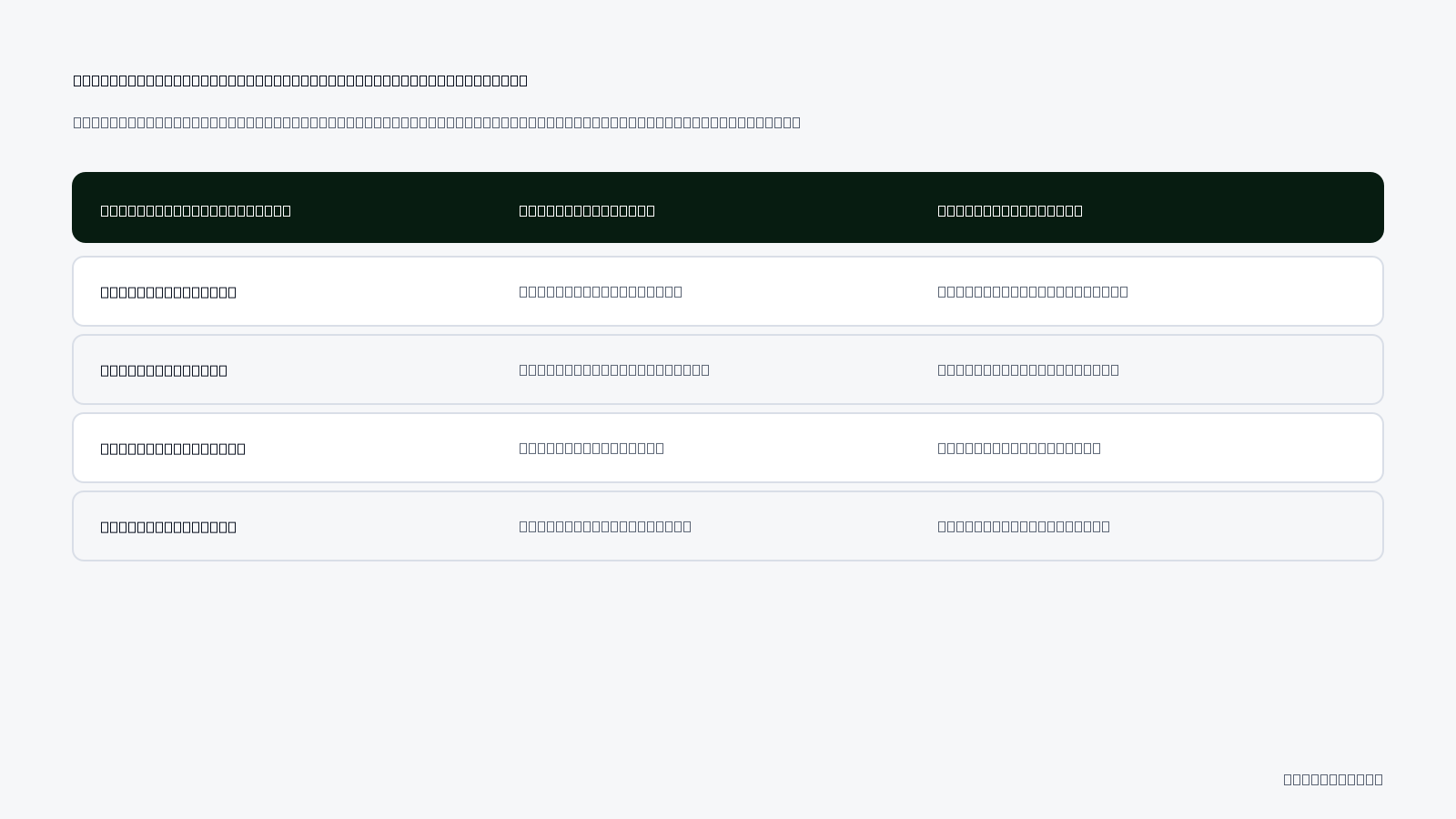
| Scaling Factor | Algorithmic Mechanism | Direct Metric Impact | Corrective Strategy |
|---|---|---|---|
| Budget Acceleration | Rapid daytime pacing buys repeat impressions on active users | Spike in intraday frequency; rising CPM | Scale budgets in 15% to 20% intervals every 48 hours |
| Creative Homogeneity | Cloned visuals and hooks target the identical consumer profile | FTIR drops below 40%; ad fatigue accelerates | Launch diverse creative angles and distinct visual formats |
| Uncapped ASC Settings | Algorithm over-allocates spend to warm prospects for quick conversions | High ROAS with stagnant net-new customer acquisition | Set an existing customer budget cap in Ad Account Settings |
| Narrow Audience Sizing | Budget outgrows available addressable audience volume | Rapid audience saturation and severe ROAS drop | Consolidate ad sets and expand targeting to broad audiences |
Can frequency shock still happen if I am using completely broad targeting?
Yes, frequency shock frequently occurs in completely broad targeting campaigns when creative diversity is missing. Broad targeting removes demographic and interest constraints, but Meta still uses your ad creative to identify who to target. If your active ad creatives all share identical visual elements, angles, or calls to action, Meta will repeatedly serve those ads to the same narrow niche within that broad audience rather than expanding across the total pool.
How Much Does Unchecked Frequency Shock Cost Your Scaling Budget?
Unchecked frequency shock can double or triple your acquisition costs while wasting 30% to 45% of your ad spend on redundant impressions. When Meta serves the same ads repeatedly to saturated audiences, click-through rates plummet, negative user feedback rises, and storewide profit margins evaporate rapidly during aggressive budget scale.
The Compounding Financial Penalties of Scaled Ad Fatigue
Cost per acquisition (CPA) is the aggregate advertising spend required to generate a single paying customer conversion. When an ad account scales budgets without sufficient audience breadth or creative variation, CPA commonly surges from a sustainable baseline like $30 up to $60 or $90. For e-commerce brands operating on standard 20% to 30% net margins, this immediate surge wipes out front-end profitability entirely.
Ad fatigue is the measurable decline in campaign performance that occurs when a target audience sees identical creative assets too many times. As prospective buyers encounter the same creative multiple times in a single week, user annoyance triggers negative ad interactions, including "Hide ad" and reporting actions within Instagram and Facebook feeds. Meta incorporates these negative signals into its auction ranking system, penalizing the ad set by lowering estimated action rates and driving up cost per thousand impressions (CPM).
For example, in a $50,000 monthly scaling budget, if prospecting frequency escalates rapidly from 1.2 to 3.5 impressions per user, between $15,000 and $22,500 of that capital is spent serving duplicate exposures to consumers who have already decided not to click. Marketing Efficiency Ratio (MER) is total store revenue divided by total paid advertising spend across all marketing channels. When frequency shock burns prospecting budgets on repetitive impressions, MER deteriorates across the entire business, creating sudden working capital deficits that restrict inventory replenishment and cash flow.
Auditing Frequency Losses on Your Balance Sheet
- Audit ad sets weekly to identify campaigns where CPA has doubled following recent budget increases.
- Calculate wasted capital by multiplying total impressions delivered above a frequency of 2.0 by your average CPM.
- Review ad-level negative feedback indicators inside Meta Ads Manager to identify creative assets that prompt hide actions.
- Track blended storewide MER daily to ensure customer acquisition remains profitable above break-even thresholds.
- Implement automated pause rules through Adsaify to instantly shut off fatigued ads exceeding target cost thresholds.
- Monitor inventory turnover rates alongside ad spend to prevent cash flow bottlenecks caused by declining acquisition velocity.
Can high frequency ever be beneficial for driving repeat sales in multi-product stores?
High frequency can drive repeat sales in multi-product e-commerce stores when deliberately isolated to retention or dynamic catalog retargeting campaigns. For past purchasers who already trust the brand, a frequency between 4.0 and 6.0 across a 14-day window can display complementary catalog items without causing brand irritation. However, this tactic fails when deployed inside cold prospecting campaigns, where excessive repetition quickly repels unacquainted prospects, spikes CPMs, and wastes scalable budget on unresponsive audiences.
Which Metrics Diagnose the Root Cause of Meta Frequency Shocks?
Diagnosing Meta frequency shocks requires monitoring First-Time Impression Ratio, rolling 7-day frequency, and audience saturation data in the Meta Ads Manager Inspect tool. These metrics reveal whether spend increases are reaching new prospective buyers or repeatedly hammering existing audiences with exhausted creative concepts that fail to generate incremental conversions.
Diagnostic Signals in Delivery and Saturation Trends
First-Time Impression Ratio (FTIR) is the percentage of daily ad impressions delivered to people who have never seen an ad from that ad set before. In a healthy top-of-funnel prospecting campaign, FTIR should remain above 75%. When an advertiser increases daily spend and FTIR drops below 50%, Meta's delivery system has stopped discovering incremental prospects and is recycling the budget across users who have already ignored the promotion.
Media buyers must also differentiate between cumulative frequency and rolling 7-day frequency. Cumulative frequency measures the average impression count across an entire campaign lifetime, which naturally climbs as months pass. In contrast, rolling 7-day frequency captures immediate delivery pressure. If 7-day frequency jumps from 1.3 to 2.8 within 48 hours of a budget increase, the campaign is suffering from acute scaling shock rather than normal campaign aging.
Finally, marketers must audit creative angle differentiation rather than visual aesthetics alone. Many advertisers believe they are rotating five distinct ads when they are merely showing five minor color or format variations of the identical value proposition. If an audience rejects a specific pain-point hook, showing that same hook in a different font does not alleviate saturation.
| Diagnostic Metric | Healthy Prospecting Baseline | Frequency Shock Warning | Underlying Account Cause |
|---|---|---|---|
| First-Time Impression Ratio | Above 75% daily | Below 50% daily | Audience pool exhausted at current budget |
| Rolling 7-Day Frequency | 1.1 to 1.5 impressions | 2.5 impressions or higher | Budget scaled faster than audience expansion |
| Audience Reach Saturation | Linear upward curve | Horizontal flatline | Bid cap or targeting restriction blocking reach |
| Click-Through Rate (CTR) | Stable or increasing | Decline of 30% or more | Creative fatigue and ad blindness occurring |
| Cost Per Mille (CPM) | Predictable seasonal range | Spike of 40% or more | High negative feedback reducing auction rank |
Where do I find the First-Time Impression Ratio metric inside Meta Ads Manager?
To find the First-Time Impression Ratio metric inside Meta Ads Manager, select an active ad set from your campaign view and click the "Inspect" icon, represented by a small magnifying glass on the right-side management panel. Scroll down to the "Audience Saturation" section. The interface displays an interactive chart that plots your First-Time Impression Ratio against total daily spend, allowing you to see exactly when increased budgets caused reach to plateau.
If you would rather not set up each of these steps by hand, try it in Adsaify: your first ad is free, so there is nothing to lose. Create a free account.
What Settings Must You Audit Before Fixing Scaling Frequency Shocks?
To fix scaling frequency shocks in Meta ads, you must audit audience exclusions, customer budget caps, tracking match rates, and ad set consolidation. When Meta Ads Manager lacks clean audience boundaries or accurate conversion data, the delivery algorithm re-targets the same high-intent prospects repeatedly instead of reaching fresh incremental audiences as budgets rise.
Audience Exclusions, Tracking Fidelity, and Campaign Settings
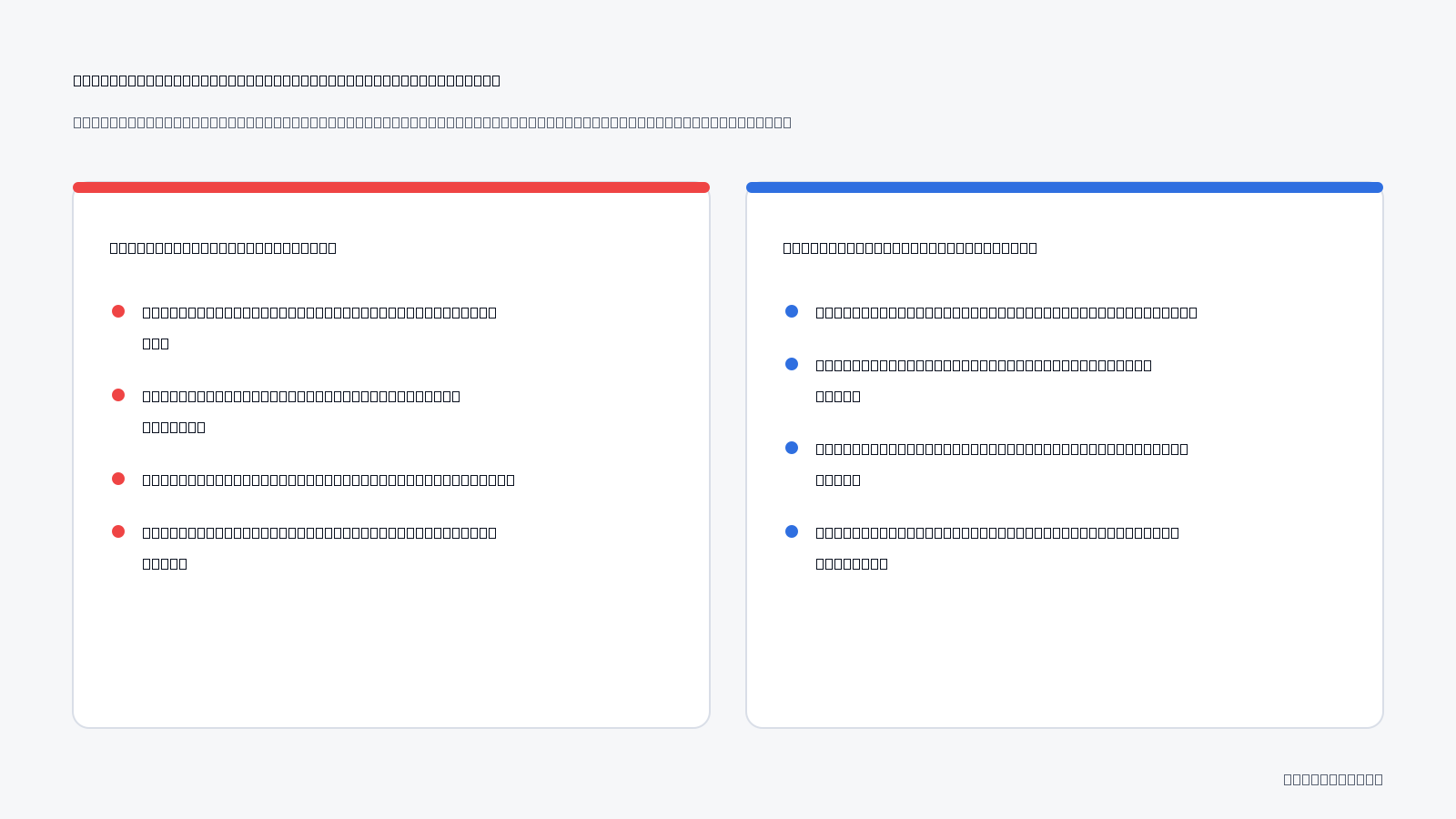
Auditing your Meta ad account requires inspecting four foundational technical controls inside Meta Ads Manager and Meta Events Manager before increasing budgets:
- Custom Audience exclusions: Open ad set targeting settings and confirm that a Custom Audience (a targeted group of people who previously interacted with your brand) containing purchasers from the last 180 days is excluded. This audience must receive updates from both the Meta Pixel and the Conversions API (CAPI)—a server-side data pipeline that sends customer purchase events directly to Meta without relying on browser cookies.
- Advantage+ Shopping Campaign (ASC) customer caps: In Advantage+ Shopping Campaigns, navigate to campaign settings and verify the Existing Customer Budget Cap. Keep this cap set between 0% and 5% to prevent Meta from allocating scaling budgets into cheap retargeting impressions against existing customers.
- Event Match Quality (EMQ): In Events Manager, review your Purchase event Match Quality score. If the Event Match Quality score drops below 6.0 out of 10.0, Meta cannot reliably identify logged-in users who already converted, causing the system to treat past buyers as net-new cold prospects.
- Account auction consolidation: Inspect your campaign structure for internal ad set overlap. Multiple cold ad sets targeting overlapping broad audiences under separate budgets force your ads to bid against one another in the same auction, driving up CPM (cost per thousand impressions) and frequency. Consolidate competing ad sets into a single unified campaign structure before scaling spend.
Meta Account Scaling Audit Checklist
Before raising your daily ad spend, complete this operational audit inside Meta Ads Manager:
- Exclude a dynamic 180-day purchaser Custom Audience on every cold acquisition ad set.
- Set the Existing Customer Budget Cap to under 5% within all active Advantage+ Shopping Campaigns.
- Verify that the Conversions API sends hashed email, phone, and IP parameters alongside server events.
- Check Meta Events Manager to ensure the Purchase event has an Event Match Quality score above 6.0.
- Consolidate ad sets targeting identical broad audiences into one scaling campaign to eliminate internal auction overlap.
- Review the Inspect tool at ad set level to confirm auction overlap remains below 20%.
If I exclude past buyers completely, will I lose all my backend retargeting sales?
No, excluding past buyers from top-of-funnel scaling campaigns does not eliminate backend sales. Modern broad targeting algorithms naturally locate repeat customers who intend to buy again. Furthermore, dedicated retention channels such as automated email marketing flows, SMS sequences, and isolated catalogue sales campaigns capture repeat purchases at significantly lower acquisition costs. Purging past buyers from cold acquisition campaigns forces Meta to allocate your scaling budget toward acquiring net-new customers, preserving account efficiency and preventing frequency spikes.
How Do You Safely Scale Meta Spend to $50k While Controlling Frequency?
To safely scale Meta ad spend to $50k while controlling frequency, distribute daily budget across multiple distinct creative angles, graduate tested dynamic assets into consolidated campaigns, pace budget increases at 15% to 20% every 48 hours, and deploy automated rules to halt spend when rolling frequency exceeds sustainable performance thresholds.
Horizontal Scaling Across Creative Angles and Dynamic Clusters
Pouring aggressive budgets into a single ad creative rapidly exhausts the receptive audience segment within Meta's delivery pool, causing frequency spikes. Instead, implement horizontal scaling by distributing budget across four to six distinct buying angles (for example, product demonstration, customer social proof, problem-first educational breakdown, and founder storytelling). Test each angle in a Dynamic Creative ad set—a Meta format that accepts multiple creative assets and dynamically serves the best-performing combinations. Once a specific concept generates stable ROAS (return on ad spend, calculated as revenue divided by ad spend), graduate that exact Post ID into your main scaling campaign.
Scaling Velocity and Automated Safeguards
Sudden budget increases reset Meta's delivery learning phase and trigger rapid auction pacing loops, concentrating impressions on a narrow group of users. Increase ad set or campaign budgets by no more than 15% to 20% every 48 hours to preserve auction pacing stability. To protect your margins against unexpected delivery compression, connect Adsaify to create automation rules that continuously monitor ad performance. For example, configure an automated rule inside Adsaify to pause underperforming ads or throttle ad set budgets whenever rolling 7-day frequency climbs above 2.5 and ROAS slips below your target threshold.
The Five-Stage Frequency-Protected Scaling Protocol
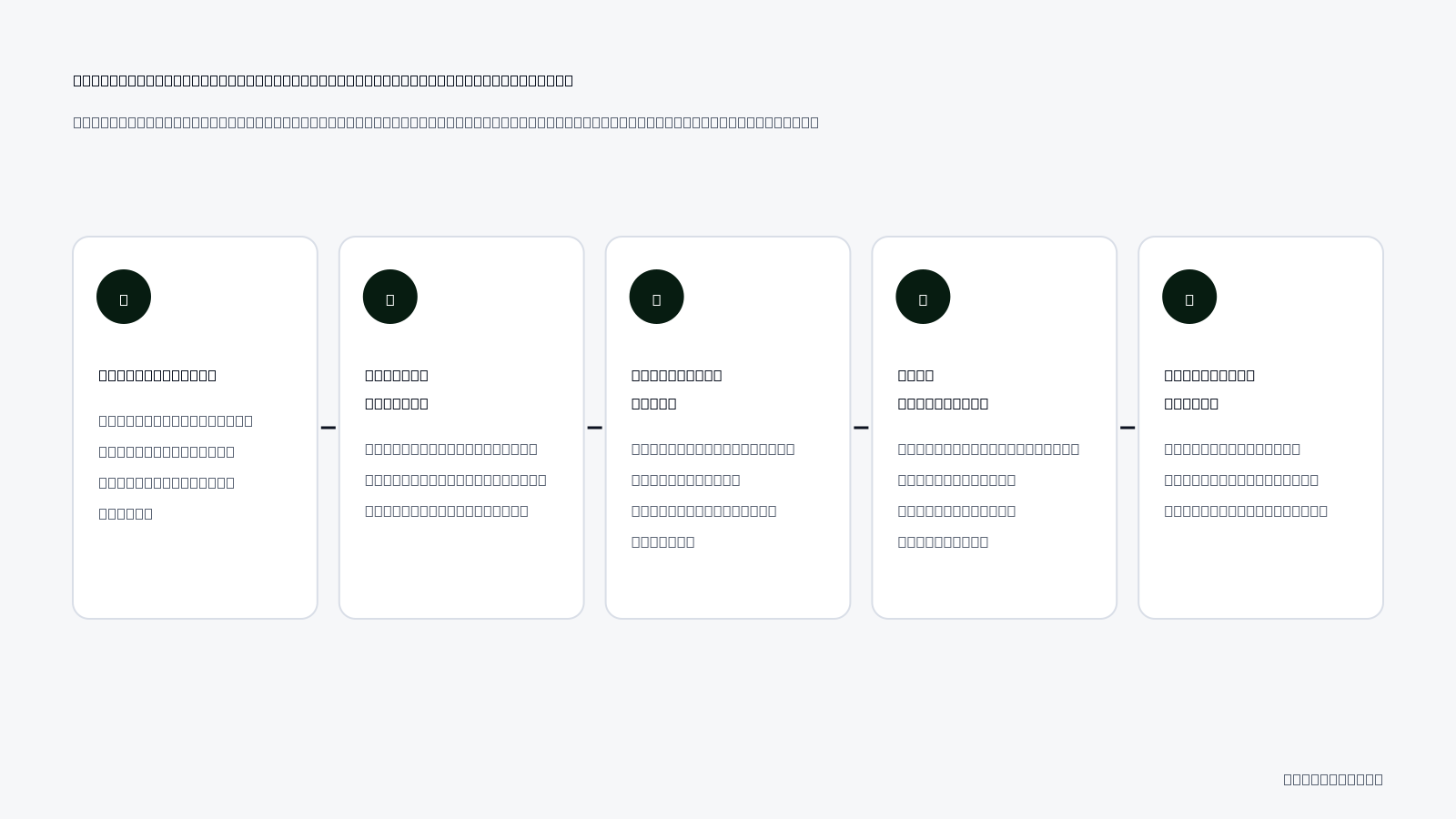
- Concept validation — Launch dynamic creative testing clusters with three hooks, two body videos, and two text variations to identify winning angles at low spend.
- Graduation filtering — Identify winning creative combinations that maintain ROAS above target for five consecutive days and extract their unique Post IDs.
- Main campaign ingestion — Place the graduated Post IDs into the primary horizontal scaling campaign containing 4 to 6 distinct marketing angles.
- Paced budget expansion — Raise campaign spend by 15% to 20% every 48 hours while monitoring rolling 7-day frequency and CPM stability.
- Automated rule enforcement — Trigger automated rules to pause fatigued creatives or adjust spend whenever 7-day frequency exceeds 2.5 without matching conversion efficiency.
What can I do if I lack the design resources to produce multiple distinct creative angles?
If you lack dedicated design resources to produce varied creative angles, generate fresh marketing assets using Adsaify, which analyzes your website URL to draft complete campaign concepts, write conversion copy, and generate new AI images and videos. Alternatively, repurpose high-performing organic Instagram posts by running them as ads to test raw founder viewpoints or user-generated customer reviews without manual design production. Introducing these diversified visual styles prevents audience fatigue without requiring full studio creative shoots.
How Is Frequency-Protected Scaling Executed from $1k to $50k Spend?
Frequency-protected scaling is executed by systematically expanding creative variety and audience intake as spend increases, rather than pumping larger budgets into winning ads. By introducing fresh messaging hooks across distinct scaling tiers, media buyers dilute impression concentration, maintaining high first-time impression rates and preventing audience fatigue from eroding campaign profitability.
The Three-Tier Scaling Framework from $1k to $50k
Scaling ad spend without triggering frequency shocks requires adjusting ad volume and delivery constraints according to your budget tier in Meta Ads Manager:
- Foundational stage ($1k monthly spend): Operating at roughly $33 per day requires testing 2 distinct creative hooks within a broad targeting ad set. Keep baseline frequency near 1.2 over a rolling 7-day period while maintaining an FTIR (First-Time Impression Ratio, which is the percentage of total impressions served to people who have never seen the ad before) above 88%.
- Expansion stage ($10k monthly spend): Spending $330 per day requires running at least 4 standalone creative angles simultaneously. If deploying an ASC (Advantage+ Shopping Campaign, Meta's automated machine-learning campaign type for retail), navigate to campaign settings and cap the existing customer budget limit at 3% to keep the algorithm focused on acquisition.
- Macro scale ($50k monthly spend): Spending $1,650 per day requires deploying at least 8 diverse psychological angles to keep rolling 7-day frequency under 2.1 across the entire account.
Replenishing Creative Volume to Prevent Delivery Burnout
High-spend accounts exhaust creative variations rapidly. To prevent saturation, replenish scaling sets weekly with fresh creative concepts. Media buyers can draft campaign structures and generate new image or video variations using Adsaify, then publish those assets directly into their Meta ad accounts to continually supply the delivery engine with unspent angles.
Worked Scaling Example: Ergonomic Furniture Retailer
For example, an ergonomic desk accessories brand spending $330 daily ($10,000 monthly) experienced a frequency spike to 3.4 and a CPA (cost per acquisition) increase from $42 to $79 after forcing daily spend to $1,000. To remediate this, the media buyer introduced 6 new creative concepts—ranging from orthopedic posture breakdowns to customer home-office tours—and capped the ASC existing customer limit at 3% in Meta Ads Manager. Over the following 14 days, the rolling 7-day frequency normalized to 1.7, CPM dropped by 24%, and CPA settled back at $46.
How many active ads should be running simultaneously when spending $50,000 per month?
At a monthly budget of $50,000 (roughly $1,650 daily), an account should actively run between 20 and 35 distinct ads distributed across 6 to 8 creative angles. Running fewer than 15 active ads forces Meta's delivery algorithm to repeatedly show identical assets to the same converted or aware users, sparking frequency shocks. Distributing spend across 25 to 30 varied video hooks, statics, and carousels ensures balanced impression allocation across unreached audience pockets.
How Do You Measure Whether Your Frequency Shock Fix Worked?
You measure whether a frequency shock fix worked by tracking impression diversity, cost stability, and top-line store efficiency over a rolling 7-to-14-day window. Successful remediation manifests as a normalized first-time impression ratio above 75%, flattened cost per thousand impressions, stabilized acquisition costs, and rising blended marketing efficiency ratios.
Core Diagnostic Metrics for Frequency Stabilization
To confirm that campaign delivery has normalized, monitor these specific metrics inside Meta Ads Manager and your ecommerce analytics:
- Rolling 7-day FTIR: The First-Time Impression Ratio (FTIR) serves as your primary leading indicator. Check this metric in your breakdown reports; it should rebound and consistently sustain above 75%.
- CPM and CPC trajectories: CPM (cost per mille, which is the cost per one thousand ad impressions) and CPC (cost per click, the fee paid for each ad click) should level off. When frequency shock breaks, intra-week CPM volatility decreases significantly.
- Target CPA margins: CPA (cost per acquisition, the total spend required to generate one purchase) must stay within your target contribution margin thresholds as budget increases.
- Storewide blended expansion: Verify success using MER (Marketing Efficiency Ratio, which is total store revenue divided by total ad spend). When Meta acquires unique users rather than remarketing to current audiences, storewide MER remains stable during scale.
Metric Comparison: Unhealthy Auction vs. Recovered Campaign
| Diagnostic Metric | Unhealthy Frequency Shock | Recovered Account Performance |
|---|---|---|
| 7-Day FTIR | Falls below 55% as repeat impressions dominate | Maintains consistently above 75% |
| CPM Trajectory | Spikes erratically week-over-week by 40% or more | Fluctuates within a predictable 15% range |
| CPC vs. Frequency | CPC rises directly in tandem with ad frequency | CPC stabilizes as broader pockets view ads |
| Acquisition CPA | Surpasses maximum allowable product margins | Returns inside target contribution thresholds |
| Blended Store MER | Compresses despite increased paid advertising spend | Grows proportionally alongside top-line revenue |
If FTIR recovers but ROAS does not bounce back immediately, how long should I wait?
You should wait between 48 and 72 hours if FTIR recovers but ROAS (return on ad spend, defined as tracked conversion value divided by ad spend) lags behind. Meta's conversion attribution window often delays recording purchases, particularly for consideration-heavy products. If the first-time impression ratio stays above 75% while CPM normalizes, prospective buyers are entering the funnel; evaluate storewide sales and 7-day click attribution before adjusting delivery settings.
Want to see this in your own account? Enter your website address and Adsaify drafts the campaign for you. The first ad is free. Try it now or log in.
Which Routine Keeps Ad Frequency Stable As Meta Spend Grows?
A structured weekly operating routine keeps Meta ad frequency stable by pairing continuous creative testing with disciplined budget gating. Performance marketers review frequency trends every Monday, launch diverse creative batches every Wednesday, promote validated winners on Friday, and restrict budget increases strictly to ad sets that sustain both target acquisition costs and controlled repetition.
Scaling ad spend without frequency spikes requires standardizing how and when assets enter campaigns. In Meta Ads Manager, ad frequency measures the average number of times each unique user sees an ad over a selected timeframe. Without a recurring cadence, ad spend outpaces creative supply, causing the algorithm to over-deliver existing ads to the same audience pockets.
- Daily: Monitor account-level spend pacing and delivery alerts in Meta Ads Manager to catch sudden delivery spikes before daily budgets overspend on saturated assets.
- Daily: Inspect ad-level impression distribution within scaling ad sets to confirm that Meta is not concentrating over 70% of spend into a single fatigued asset.
- Weekly (Monday): Conduct an account-wide audit of 7-day frequency and FTIR to flag exhausted angles. FTIR (First Time Impression Ratio) is the percentage of total ad impressions served to individuals who have never seen an ad from that campaign before.
- Weekly (Wednesday): Deploy a fresh batch of three to five untested creative concepts featuring distinct value propositions, visual hooks, and customer personas into an isolated testing campaign.
- Weekly (Friday): Graduate winning ad variations that achieved target CPA (cost per acquisition, which is total advertising spend divided by total conversions) into active scaling campaigns.
- Weekly (Friday): Calibrate automated rules to pause any ad variant whose 7-day frequency exceeds 2.4 while performing worse than your target CPA threshold.
- Monthly: Evaluate rolling 30-day reach across your primary demographic targets to ensure spend increases are capturing new market volume rather than recycling existing prospects.
As a strict weekly operating rule, apply budget increases only to ad sets that maintain a 7-day rolling frequency below 2.2 and a CPA at or below your target benchmark. If an ad set breaches a 2.2 frequency, hold budget increases constant until Friday creative graduations introduce fresh variants.
What tools can help streamline this weekly creative testing and deployment routine?
Ad management platforms like Adsaify streamline this workflow by analyzing a business website to draft campaigns with audience, ad copy, creative, and budget suggestions. Marketers can use Adsaify to generate AI image and video creatives for weekly testing batches or promote existing Instagram posts. Once published to Meta Ads Manager, automated rules monitor performance metrics to pause underperforming ads, maintaining account stability during scaling.
What Are the Most Common Mistakes When Managing Meta Frequency Shocks?
The most common mistakes when managing Meta ad frequency shocks involve superficial creative iterations, aggressive audience fragmentation, and erratic budget scaling. Advertisers often react to rising frequency by applying narrow interest targeting, abruptly splitting budgets, or changing minor visual details, which restricts Meta’s auction delivery and accelerates audience exhaustion instead of expanding net reach.
Creating superficial creative variety with minor visual tweaks
Swapping a background color or moving a button while retaining the exact same visual hook, audio track, and marketing angle does not create a new ad in the eyes of Meta’s machine learning models. The auction recognizes the asset as identical to previous versions, grouping it into the same audience delivery pocket. Advertisers must develop structurally different hooks, formats, and messaging frameworks to reach untouched audience segments.
Restricting audiences with narrow manual interest targeting
Layering multiple restrictive interest or behavior filters to force ads toward new users severely shrinks the total addressable pool. As Meta bids within a compressed audience size, frequency accumulates rapidly within that narrow segment. Advertisers should rely on broad targeting or Advantage+ audience settings, allowing Meta’s algorithm to seek lower-frequency users across the entire market.
Abandoning Advantage+ campaigns for fragmented micro-audiences
Splitting scaling budgets across dozens of niche ad sets to manage ad exposure creates internal auction overlap. In Meta Ads Manager, auction overlap occurs when multiple ad sets from the same ad account enter the same competitive auction. This raises CPM (cost per mille, the cost per one thousand ad impressions) and accelerates ad fatigue. Consolidating budgets into consolidated Advantage+ shopping or broad campaigns delivers lower frequency and more stable conversion costs.
Doubling daily ad spend within a single 24-hour window
Aggressive budget jumps force Meta’s pacing system to deploy capital immediately into the highest-probability converters already identified, creating an emergency high-frequency loop. For example, lifting an ad set budget from 1,000 USD to 2,000 USD overnight frequently doubles frequency instead of reach. Scale daily budgets incrementally by 15% to 20% every 48 to 72 hours to allow delivery to expand smoothly.
Pausing high-frequency ads that remain highly profitable
Turning off an ad purely because its frequency crossed an arbitrary number damages account profitability. If an ad set exhibits a 3.5 frequency but maintains a ROAS (return on ad spend, calculated as gross revenue generated divided by ad spend) well above target, it should continue running. Use frequency as a diagnostic indicator alongside acquisition efficiency, not as an isolated kill switch.
Triggering continuous learning resets with erratic campaign edits
Making daily edits to targeting, ad copy, and bidding strategies repeatedly sends campaigns back into the learning phase. During the learning phase, Meta’s auction system explores delivery volatility, resulting in unpredictable audience distribution and erratic frequency spikes. Finalize creative rotations on a predictable schedule to preserve algorithmic learning stability.
Doesn't tweaking visual background colors help reduce creative fatigue and frequency?
No, minor aesthetic changes like altering background colors do not reduce creative fatigue or ad frequency on Meta. Meta’s auction algorithm categorizes creatives based on user interaction patterns, hook resonance, and semantic messaging rather than subtle color shifts. When viewers ignore an ad because the core hook and value proposition are already familiar, minor color swaps fail to engage new market segments. True fatigue reduction requires entirely new conceptual angles, pain points, or presentation formats.
When Does Frequency Optimization Fail and What Are Its Real Limits?
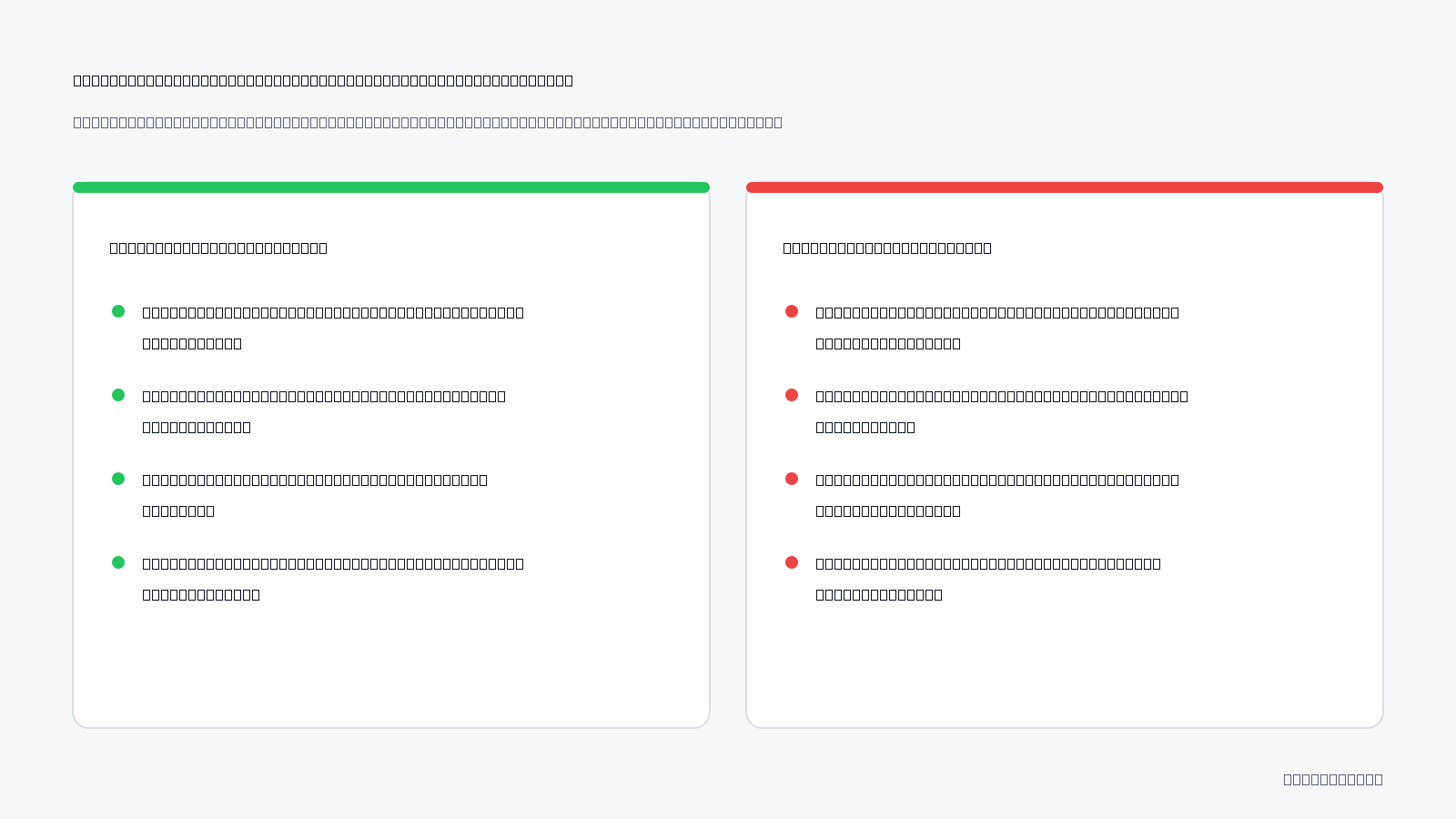
Frequency optimization fails when non-delivery constraints limit customer acquisition, such as tiny target audiences, uncompetitive pricing, broken landing pages, or poor product-market fit. When fundamental business bottlenecks prevent conversions, tweaking Meta Ads Manager delivery settings, refreshing ad creatives, or pacing budget increases cannot prevent ad frequency from rising rapidly against unresponsive prospects.
Hyper-Niche Audiences and Mathematical Delivery Ceilings
Frequency controls fail when a business targets a total addressable market of fewer than 200,000 individuals. Meta Ads Manager operates within mathematical realities: if an advertiser spends $1,000 per day with an average CPM (cost per mille, which is the cost per thousand ad impressions) of $20, the ad account buys 50,000 daily impressions. Inside an audience pool of 100,000 users, each prospect inevitably receives an average ad frequency of 3.5 impressions within seven days. No bidding adjustment or audience exclusion can overcome this mathematical saturation threshold without expanding the underlying targeting parameters or lowering daily spend.
On-Site Conversion Friction and Product-Market Fit
Media buyers often misdiagnose poor conversion rate optimization (CRO, the systemic process of increasing the percentage of website visitors who convert) as audience fatigue. When an online store features slow page load speeds, high surprise shipping fees, or inventory stockouts on key product variants, prospective customers view ads, visit the product page, and abandon checkout. Meta machine learning interprets the initial landing page views as intent and retargets these same prospects repeatedly, causing ad frequency to spike. Campaign management tools like Adsaify can streamline creative generation and automate performance-based ad set pauses, but automated rules cannot compensate for an unviable price point or broken checkout flow.
Before assuming that advertising frequency shocks stem strictly from bidding or campaign structure, performance marketers should audit operational foundations using this checklist:
- Verify that the estimated target audience size exceeds 200,000 people inside Meta Ads Manager.
- Audit mobile landing page load speed to ensure page rendering takes under three seconds.
- Check product stock levels to prevent driving paid traffic to out-of-stock SKUs.
- Inspect checkout drop-off rates inside web analytics to identify unexpected shipping fee resistance.
- Compare retail pricing against key competitors to confirm value proposition competitiveness.
- Examine customer reviews to detect emerging post-purchase dissatisfaction or trust deficits.
How can a high-ticket or niche brand reach $50k monthly spend without hitting frequency ceilings?
High-ticket or niche brands reach $50,000 monthly spend by expanding addressable market boundaries through multi-problem creative angles, testing broader interest adjacencies, and deploying lead generation funnels instead of direct-to-purchase checkout. Rather than forcing spend into a narrow buyer group, the advertiser pairs broad Advantage+ audience targeting with educational long-form video creatives that self-select qualified prospects, accompanied by higher attribution windows like 7-day click and 1-day view to accommodate longer buying cycles.
What Key Terms Define Meta Frequency Shocks and Scaling Systems?
Meta frequency shock and scaling frameworks are defined by technical metrics, bidding mechanics, and structural configurations that regulate how ad spend distributes across unique users. Understanding these terms allows advertisers to isolate audience exhaustion, maintain positive unit economics, prevent creative fatigue, and calibrate algorithmic delivery systems systematically within Meta Ads Manager as daily budgets increase.
- First-Time Impression Ratio (FTIR): The proportion of daily impressions delivered to users who have never seen the ad before.
- Horizontal Scaling: The practice of increasing ad spend by launching new ad sets, creative angles, or audience variations rather than merely raising the budget on an existing ad set.
- Audience Liquidity: Meta's systemic freedom within broad targeting parameters to bid on the most efficient conversion opportunities across placements, demographics, and segments without artificial segmentation restrictions.
- Existing Customer Budget Cap: A percentage constraint applied within Meta Advantage+ shopping campaigns that limits the proportion of budget allocated to past purchasers identified through custom audiences.
- Ad Fatigue: A performance decline occurring when target audiences see the same creative repeatedly, leading to decreased CTR (click-through rate, the percentage of ad impressions that generate a click) and increased acquisition costs.
- Creative Diversification: Developing distinct ad concepts, formats, visual hooks, and messaging angles to appeal to diverse segments within an audience and distribute impressions broadly.
- Bid Cap: A manual bidding strategy in Meta Ads Manager that sets the maximum bid Meta can submit in any ad auction to protect against escalating delivery costs.
- Cost Per Mille (CPM): The delivery cost an advertiser pays for every one thousand impressions served in Meta auctions.
- Cost Per Acquisition (CPA): The average advertising cost incurred to generate a single conversion event, calculated by dividing spend by total attributed conversions.
- Advantage+ Shopping Campaign (ASC): An automated Meta campaign type that leverages machine learning to manage creative testing, audience allocation, and bidding across the entire sales funnel simultaneously.
- Automated Rules: Programmatic if-then logic configured within Meta Ads Manager or platforms like Adsaify to execute automated actions, such as pausing an ad set when frequency or CPA exceeds a set threshold.
Does audience liquidity mean the exact same thing as broad targeting?
Audience liquidity does not mean the exact same thing as broad targeting, though the two concepts are closely related. Broad targeting refers specifically to removing demographic, interest, and behavior constraints in ad set settings. In contrast, audience liquidity represents Meta's structural ability to distribute capital fluidly across multiple audiences, ad placements, and auction opportunities simultaneously, ensuring budget moves dynamically to wherever the lowest-cost conversion is available at any given moment.
How Do You Complete Frequency-Controlled Scaling While Protecting ROAS?
To prevent frequency shocks while scaling Meta ad spend, establish disciplined operational practices. First, monitor your 7-day rolling frequency and First-Time Impression Ratio daily to detect audience saturation early. Second, apply vertical budget increases gradually, keeping adjustments between 15% and 20% to avoid resetting algorithm learning. Third, protect prospecting campaigns by capping existing customer spend within Advantage+ campaigns and broadening narrow audience constraints. Finally, diversify your creative pipeline by introducing distinct messaging angles rather than duplicating campaigns when performance fluctuates.
Today, audit your highest-spending ad sets in Meta Ads Manager and check your rolling frequency alongside acquisition costs over the past seven days. If frequency exceeds benchmark thresholds and costs are rising, introduce two fresh creative angles or set up automation rules to pause underperforming ads before increasing your daily budget further.
Want to see this in your own account? Enter your website address and Adsaify drafts the campaign for you. The first ad is free. Try it now or log in.
Frequently Asked Questions (FAQ)
1. What is a healthy 7-day rolling frequency benchmark when scaling Meta ads?
For prospecting campaigns targeting cold audiences, a healthy 7-day rolling frequency benchmark typically stays between 1.1 and 1.5 impressions per user. For retargeting ad sets, frequency often climbs safely to between 2.5 and 4.0 within seven days. Exceeding 2.0 on cold prospecting usually signals that the audience is saturated, creative fatigue is setting in, and cost per acquisition will increase.
2. What percentage increments should be used when scaling budgets from $1k toward $50k?
When scaling ad spend vertically, increase budgets by 15% to 20% every 48 to 72 hours. This gradual pacing keeps Meta's machine learning algorithm from resetting into the learning phase, which causes erratic delivery. Larger leaps, such as doubling the budget overnight, force the delivery system to find cheap, low-intent impressions rapidly, triggering sudden frequency spikes and performance drops.
3. What existing customer budget cap prevents frequency shock in Advantage+ campaigns?
Setting an existing customer budget cap of 0% to 5% prevents frequency shock in Meta Advantage+ shopping campaigns. Without this restriction, the algorithm prioritizes past buyers who convert easily, repeatedly delivering ads to the same people to inflate reported returns. Limiting spend on past purchasers forces Meta's delivery system to acquire new prospects, preventing high frequency loops.
4. Can Adsaify automatically pause or throttle ad sets when frequency rises too high?
Adsaify provides automation rules that can pause ads or ad sets when performance degrades under high frequency, such as when return on ad spend drops or acquisition costs spike. While Adsaify automates performance-based actions like pausing unprofitable ads, it does not dynamically swap or generate replacement creatives inside a live ad set; users create and add new creatives themselves.
5. Is launching a brand-new campaign the right move as soon as frequency shock hits?
Launching a brand-new campaign is rarely the right immediate move during frequency shock. Duplicating campaigns resets accumulated optimization data and splits budget efficiency across identical audiences. Instead, address frequency shock by adding fresh creative angles into existing ad sets, broadening audience targeting constraints, or scaling horizontally across distinct concepts rather than restarting campaigns from scratch.
6. What does it indicate when your First-Time Impression Ratio (FTIR) dips below 60%?
First-Time Impression Ratio (FTIR) measures the percentage of ad impressions seen by a user for the first time. When FTIR dips below 60% in a prospecting campaign, it indicates that more than 40% of ad impressions are being shown to people who already saw your creative. This drop signals audience exhaustion, impending ad fatigue, and imminent cost increases.
7. How many distinct creative angles are required to support horizontal scaling safely?
Supporting horizontal scaling safely requires testing three to five distinct creative angles simultaneously. Rather than slight visual variations, these angles should address different consumer desires, pain points, or use cases. Diverse messaging enables Meta's auction to match ads with different segments of a broad audience simultaneously, lowering repetitive impressions and keeping frequency stable while total ad spend increases.
8. Do low-budget e-commerce stores ever experience Meta ad frequency shock?
Low-budget e-commerce stores experience frequency shock when their audience targeting is excessively narrow, such as small local radiuses or niche interest stacks. For example, spending $30 daily against an audience of 15,000 people can push 7-day frequency above 3.0 very quickly. Broadening audience parameters or using broader targeting helps smaller budgets distribute impressions widely without repeatedly bombarding the same prospects.
How can you try this with Adsaify?
The quickest way to apply the steps in this article to your own account is to try them. Adsaify analyses your business from your website address, drafts the campaign with an audience, ad copy, creative and a budget suggestion, and publishes it to your own Meta ad account once you approve.
- Your first ad is free: there is nothing to lose by trying.
- Your own ad account: the campaign runs in your Meta account and you stay in control.
- Images and video: generate ad creatives with AI or promote an existing Instagram post.
Create a free account and try your first ad · Already have an account? Log in.