

Short answer: A simultaneous spike in CPM and drop in CTR occurs when Meta penalizes ad relevance in the auction. To fix this, revamp creative hook rates, widen audience constraints, remove overlapping segments, and employ automated pause rules on sub-par variants while deploying fresh, value-focused creatives drafted directly from product angles.
Every media buyer knows the sinking feeling of opening Meta Ads Manager only to find acquisition costs spiraling out of control. Your daily budget depletes by midday, yet inbound store traffic has slowed to a crawl. When you inspect the performance columns, the core issue becomes clear: cost per thousand impressions (CPM) has spiked aggressively, while link click-through rate (CTR) has collapsed to a fraction of your target benchmarks.
This breakdown happens because Meta's delivery algorithm penalizes ad creative that fails to generate immediate engagement. The ad auction balances advertiser revenue against user experience; when users consistently scroll past your creative hook without clicking, the system marks the ad as poor quality and charges a premium to deliver it. Ignoring this dynamic bleeds your daily budget on unengaged audiences, degrades return on ad spend (ROAS), and drives customer acquisition cost (CAC) to unsustainable levels.
This guide provides an actionable framework to diagnose and systematically reverse declining delivery efficiency across your Meta ad accounts. You will discover how to isolate creative fatigue from audience overlap, which historical baselines to verify before making edits, and how to deploy a structured testing workflow to recover relevance in the auction. By following these operational procedures and weekly routines, you can stabilize volatile CPMs, elevate click volume, and restore predictable campaign profitability.
Key Takeaways
- Paired high CPM and low CTR reflect severe Meta auction penalties due to low expected engagement.
- Iterating hooks and value propositions outperforms tinkering with narrow demographic filters.
- Audience fragmentation directly inflates bidding floor prices by pitting ads against each other.
- Using automated threshold rules stops spend waste while fresh product-led creative drafts restore ROAS.
What does a high CPM and low CTR combination signify in Meta ads?
A high CPM and low CTR combination signifies severe creative and audience misalignment in Meta ads. CPM (cost per mille) is the cost to show an ad one thousand times, while CTR (click-through rate) measures the percentage of impressions that generate clicks. When both metrics worsen simultaneously, Meta's auction algorithm flags the ad as irrelevant, penalizing delivery costs while driving minimal inbound traffic.
The Total Value Auction Formula and Delivery Economics
Meta distributes ad inventory through an automated auction governed by the Total Value formula: Total Value = [Advertiser Bid] x [Estimated Action Rates] + [Ad Quality]. In this equation, estimated action rates reflect how likely a user is to click or convert, while ad quality measures historical user sentiment and content relevance. When an ad produces a depressed CTR, Meta interprets this weak engagement as a signal that the user experience is suffering. To protect user attention across Facebook and Instagram, the algorithm decreases the ad's quality component. To win impressions against competing advertisers with superior quality scores, the penalized ad must pay a significantly higher CPM.
The Compound Financial Impact on Acquisition Costs
The mathematical consequence of this auction penalty directly damages unit economics. CPC (cost per click) is the amount an advertiser pays each time a user clicks on an ad, calculated as CPM divided by one thousand times CTR. When CPM doubles and CTR is halved, CPC quadruples. This dynamic rapidly consumes media budgets without delivering sufficient traffic to generate statistically viable conversion data. Marketing teams running automated rules via Adsaify frequently monitor these thresholds to pause underperforming ads before delivery costs spiral out of control.
Worked Example: E-Commerce Footwear Optimization
For example, an online running shoe brand allocating a daily budget of 1,500 TL observed an ad set delivering a CPM of 180 TL and a link CTR of 0.35%, producing an inefficient CPC of 51.42 TL and minimal add-to-cart events. The media buyer audited Meta Ads Manager, paused the fatigued lifestyle video creative, and deployed two new image ads featuring close-up product angles with direct customer review overlays. After 48 hours of delivery, the algorithm adjusted the estimated action rate: CPM decreased to 75 TL, link CTR rose to 1.80%, and the resulting CPC dropped to 4.16 TL, restoring profitability to the acquisition funnel.
If only CTR is low while CPM remains normal, is this the same underlying issue?
No, this represents a creative resonance issue rather than an immediate algorithmic auction penalty. A normal CPM paired with an isolated low CTR indicates that Meta views the ad as acceptable for the targeted demographic, but the visual creative or headline copy fails to compel users to take action. In this scenario, Meta has not yet downgraded the ad account's quality ranking. Advertisers should maintain their existing audience settings and focus entirely on improving the hook, offer clarity, and call to action.
Why does Meta's algorithm penalize an ad account with elevated CPMs?
Meta's algorithm penalizes an ad account with elevated CPMs when user signals indicate poor ad quality, deceptive messaging, or low engagement. The platform maximizes user retention by charging a premium to display ads that disrupt the user experience. When expected engagement metrics plunge or negative feedback mounts, Meta suppresses the ad's competitive auction rank by artificially increasing delivery costs.
Degradation of Predictive Action Rates and Quality Rankings
Meta evaluates every ad impression in real time using predictive machine learning models. Two central components of this evaluation are eCTR (expected click-through rate), which predicts the probability that an impression leads to a click, and eCVR (expected conversion rate), which forecasts the probability that an impression leads to the advertiser's chosen optimization event. When an ad consistently underperforms historical benchmarks for a specific audience segment, Meta lowers its Quality Ranking in Meta Ads Manager. A below-average Quality Ranking forces the ad to clear higher bidding hurdles, leading to an elevated CPM penalty.
Negative Signals, Creative Mismatch, and Destination Friction
The algorithm actively monitors explicit and passive user signals to calibrate ad health. Explicit negative feedback occurs when users click "Hide ad" or "Report ad" in their feed. Passive negative feedback occurs when users scroll past an ad within milliseconds, indicating zero visual engagement. Furthermore, Meta tracks post-click behavior: if a user clicks an ad but encounters inconsistent messaging, deceptive value propositions, or aggressive pop-ups on the destination page, the user immediately bounces back to the platform. These retention failures feed directly back into the auction system, compounding delivery penalties across the entire ad set.
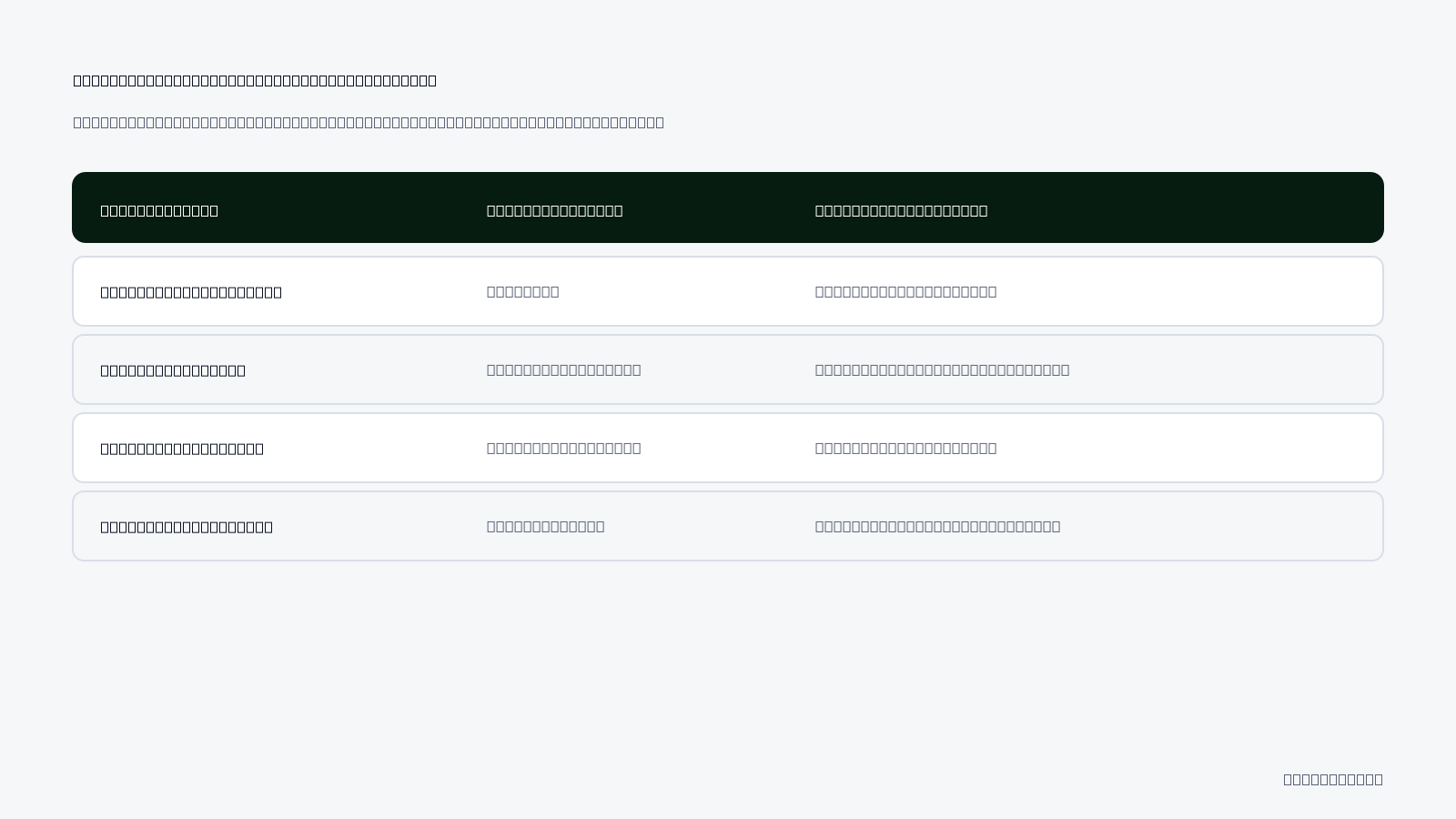
| Ad Manager Diagnostic Signal | Underlying Auction Issue | User Behavior Trigger | Immediate Corrective Action |
|---|---|---|---|
| High CPM with low Link CTR | Depressed eCTR and low Ad Quality score | Rapid scroll-away and zero engagement | Deploy new visual hooks and refine audience relevance |
| High CPM with normal Link CTR | Depressed eCVR or audience competition | High clicks followed by zero on-site conversions | Align landing page messaging directly with ad copy |
| Low Quality Ranking (Bottom 20%) | Accumulated negative feedback penalties | Users actively hiding or reporting the creative | Retire the creative and review ad policy guidelines |
| Low Conversion Rate Ranking | Post-click friction and mismatched intent | Immediate bounce after landing page navigation | Improve destination page load speed and simplify checkout |
Brands looking to prevent these penalties can use tools like Adsaify to analyze their business website URL and draft fresh campaign structures, creative concepts, and audience combinations that maintain stronger platform alignment.
Does landing page loading speed directly influence Meta's auction CPM?
Yes, landing page loading speed directly influences Meta's auction CPM by shaping the post-click quality score. Meta measures the interval between an ad click and the destination page rendering inside its in-app browser. When slow loading times cause users to abandon the page before the Meta Pixel loads, the algorithm categorizes the post-click experience as low quality. This abandonment depresses the ad's estimated action rate, prompting Meta to raise CPMs in subsequent auctions to compensate for the poor user experience.
What happens to your ad budget and customer acquisition cost if this is ignored?
Ignoring high CPM and low CTR causes ad spend to burn rapidly while traffic dwindles and customer acquisition cost escalates exponentially. When advertisers pay more to reach fewer interested prospects, website sessions collapse, Meta Pixel data starves, and return on ad spend drops below profitable levels across the entire account.
The mathematical compounding of click costs and lost site traffic
CPC (cost per click) is the financial amount an advertiser pays every time a user clicks on an ad link. In Meta Ads Manager, cost per click compounds mathematically according to the formula: CPC = CPM / (CTR × 10). For example, with a 300 TL CPM and a low 0.50% CTR, your CPC reaches 60 TL per click. If CPM drops to 100 TL and CTR rises to 2.0%, that same click costs 5 TL. Ignoring poor creative resonance means paying twelve times more for inbound traffic. This spike directly depresses qualified site traffic, starving landing pages of users who can convert.
Pixel data starvation and the collapse of blended ROAS
The Meta Pixel is a snippet of tracking code placed on a website that records visitor actions and sends conversion signals back to Meta Ads Manager. When high CPCs restrict traffic volume, the Meta Pixel experiences data starvation. Meta ad sets require roughly 50 optimization events per week within the designated attribution window to exit the learning phase. Without consistent purchase events, the delivery algorithm cannot identify high-intent buyer patterns.
ROAS (return on ad spend) is the total gross revenue generated divided by the total advertising expenditure. CAC (customer acquisition cost) is the total marketing investment required to win a single paying customer. As click prices inflate, acquisition costs surge beyond product gross margins, eroding blended ROAS and forcing campaigns into net operating losses.
To audit financial bleed across your active ad sets, work through this account inspection checklist:
- Review the CPC column in Meta Ads Manager across all ad sets active for more than 72 hours.
- Check the Delivery column to identify ad sets stuck in Learning Limited due to low conversion volume.
- Compare weekly purchase event totals in Meta Events Manager against the 50-event stability threshold.
- Calculate your maximum allowable CAC against product gross margins to determine real breakeven thresholds.
- Configure an automated rule in your Meta account or via Adsaify to automatically pause underperforming ads when cost per click exceeds your historical benchmark.
- Examine blended ROAS in your financial dashboard to confirm whether ad delivery remains commercially viable.
How fast can an ad account exhaust budget under this anomaly with small spends?
An ad account with small budgets, such as 500 TL daily, can exhaust its allocation in less than an hour under an auction penalty. Elevated CPMs drain funds across tiny audience impressions without delivering outbound traffic. When an ad set pays 250 TL CPM alongside a 0.20% CTR, two thousand impressions consume the daily budget entirely while delivering merely four outbound clicks, terminating daily acquisition before peak e-commerce browsing hours arrive.
How do you diagnose whether the issue stems from ad creatives or audience targeting?
Diagnosing whether elevated auction costs and low interaction rates originate from ad creatives or audience targeting requires analyzing Meta Ad Relevance Diagnostics alongside engagement metrics. Marketers isolate creative failures by reviewing hook rates and quality rankings, while audience targeting mismatches surface through high frequency, broad audience cost spikes, and saturation indicators.
Ad Relevance Diagnostics and video engagement metrics
Meta Ads Manager provides Ad Relevance Diagnostics across three specific metrics: Quality Ranking, Engagement Rate Ranking, and Conversion Rate Ranking. Quality Ranking assesses perceived asset quality versus ads competing for the same audience. Engagement Rate Ranking evaluates anticipated clicks, likes, and comments, while Conversion Rate Ranking measures post-click conversion probability.
Hook rate is the percentage of ad impressions where viewers watched at least three seconds of a video asset, calculated by dividing 3-second video plays by total impressions. Outbound CTR (click-through rate) is the percentage of ad impressions that resulted in a click sending a user off Meta platforms to an external destination. A hook rate below 20% accompanied by Below Average Quality Ranking indicates immediate creative failure, signifying that visual assets fail to stop feed scrolling.
Benchmarking audience clusters and spotting saturation
Audience saturation is the condition where the reachable segment of a target demographic has already seen an ad, resulting in diminishing returns. Creative fatigue occurs when ad messaging loses effectiveness because exposed audiences see the same visual too many times. Frequency in Meta Ads Manager measures the average number of times each unique user viewed an ad asset.
To distinguish between creative fatigue and audience saturation, run identical ad creatives across distinct audience sets, such as a broad targeting set alongside a 1% Lookalike audience. If CPM remains high across both groups while hook rate is strong, the audience pool is either too narrow or saturated. If CPM stabilizes in broad targeting but spikes in the lookalike segment with a frequency above 3.5, the demographic audience cluster is exhausted.
| Observed Diagnostic Pattern | Hook Rate (3-sec Plays) | Frequency Metric | Primary Culprit | Recommended Corrective Action |
|---|---|---|---|---|
| Low Quality Ranking, Low CTR | Below 15% | Below 1.5 | Ad Creative Hook | Test new opening 3-second video visuals |
| Average Quality, Below Average CTR | Above 30% | Below 1.8 | Ad Copy and Offer | Revise call to action and value proposition |
| High CPM, Average CTR, High Frequency | Above 25% | Above 3.2 | Audience Saturation | Expand demographic size or switch to broad targeting |
| High CPM, Low CTR Across All Audiences | Below 15% | Below 1.3 | Creative Format Mismatch | Replace static image with native video format |
If ad relevance rankings show 'Below Average', which element should I inspect first?
Inspect the first three seconds of your ad creative and your headline copy first. A Below Average Quality Ranking usually indicates that users swipe past your ad immediately or hide it from their feeds. Reviewing the 3-second video play rate reveals whether your opening hook engages your audience. If users disengage before understanding your offer, rewrite your initial hook or replace the lead visual before modifying audience exclusions or interest parameters.
If you would rather not set up each of these steps by hand, try it in Adsaify: your first ad is free, so there is nothing to lose. Create a free account.
What settings and historical data must you verify before adjusting ad delivery?
Before adjusting ad delivery, marketers must verify historical spend patterns over seven and fourteen-day attribution windows, audience size definitions, demographic exclusions, auction overlap rates, and ad placement distributions in Meta Ads Manager. Reviewing these structural components isolates algorithmic delivery bottlenecks from creative fatigue before any ad set variables are permanently modified.
Historical spend allocation and targeting parameters
Open Meta Ads Manager and review your performance using the 7-day click or 1-day view attribution window, which defines the time frame Meta credits ad interactions with user conversions. Look at spend allocation over the past 7 and 14 days to determine whether budget disproportionately flows to underperforming ad sets. For example, in an account with a 500 TL daily budget, an ad set consuming 350 TL while generating a sub-1% CTR (click-through rate, the percentage of impressions that result in a click) demands immediate review.
Next, audit the "Audience" settings inside the ad set edit panel. Look for over-constrained configurations such as stacking five or more niche interest keywords together or combining narrow geographic radiuses with tight age brackets. Multiple exclusions, such as excluding past website visitors alongside customer lists, frequently shrink the estimated audience size below viable delivery thresholds, driving CPM (cost per mille, the cost per one thousand impressions) upward.
Auction overlap and placement distribution
Navigate to the "Inspect" tool at the ad set level to review your Auction Overlap metric. Auction overlap occurs when multiple ad sets in your account bid in the exact same auction, causing Meta to suppress the lower-ranked ad sets to prevent self-competition. If overlap exceeds 20%, ad sets will face artificial delivery constraints and inflated auction entry costs.
Finally, examine the "Placements" section. Compare performance between Advantage+ Placements (Meta's automated distribution across all available inventory) and manual placement selections. Restricting delivery strictly to Instagram Stories or Facebook Feed often forces your ads into competitive auction slots, whereas leaving placements open allows Meta's auction engine to locate lower-cost delivery opportunities.
Pre-adjustment account verification checklist
- Audit ad spend distributions across all ad sets over the prior 7 and 14-day attribution windows.
- Check audience definitions in the ad set panel to remove overlapping or stacked detailed targeting interests.
- Review geographic and demographic exclusions to confirm the estimated audience size remains broad enough for stable delivery.
- Inspect the Auction Overlap percentage inside the Meta Inspect tool to locate internal account competition.
- Compare placement-level CPMs to verify if manual placement restrictions are inflating your impression costs.
Does broadening an ad set audience immediately reset its Meta learning phase?
Broadening an ad set audience by removing detailed targeting parameters, widening age brackets, or clearing exclusion lists triggers a significant edit, which immediately resets the Meta learning phase. The learning phase is the ad delivery period where Meta gathers fifty optimization events to stabilize delivery costs. Altering the targeting parameters changes the underlying target pool, forcing Meta's machine learning delivery system to discard past performance data and rebuild audience conversion patterns from scratch.
What is the step-by-step action plan to systematically fix high CPM and low CTR?
Systematically fixing elevated CPMs and declining CTRs requires isolating unprofitable ads, introducing high-resonance creative variations, consolidating fragmented ad sets into broad targeting, and deploying automated safeguards. This structured five-step process eliminates auction bid penalties caused by poor user engagement scores while simultaneously lowering acquisition costs through algorithmic creative testing and expanded audience liquidity.
Step-by-step auction and creative stabilization framework
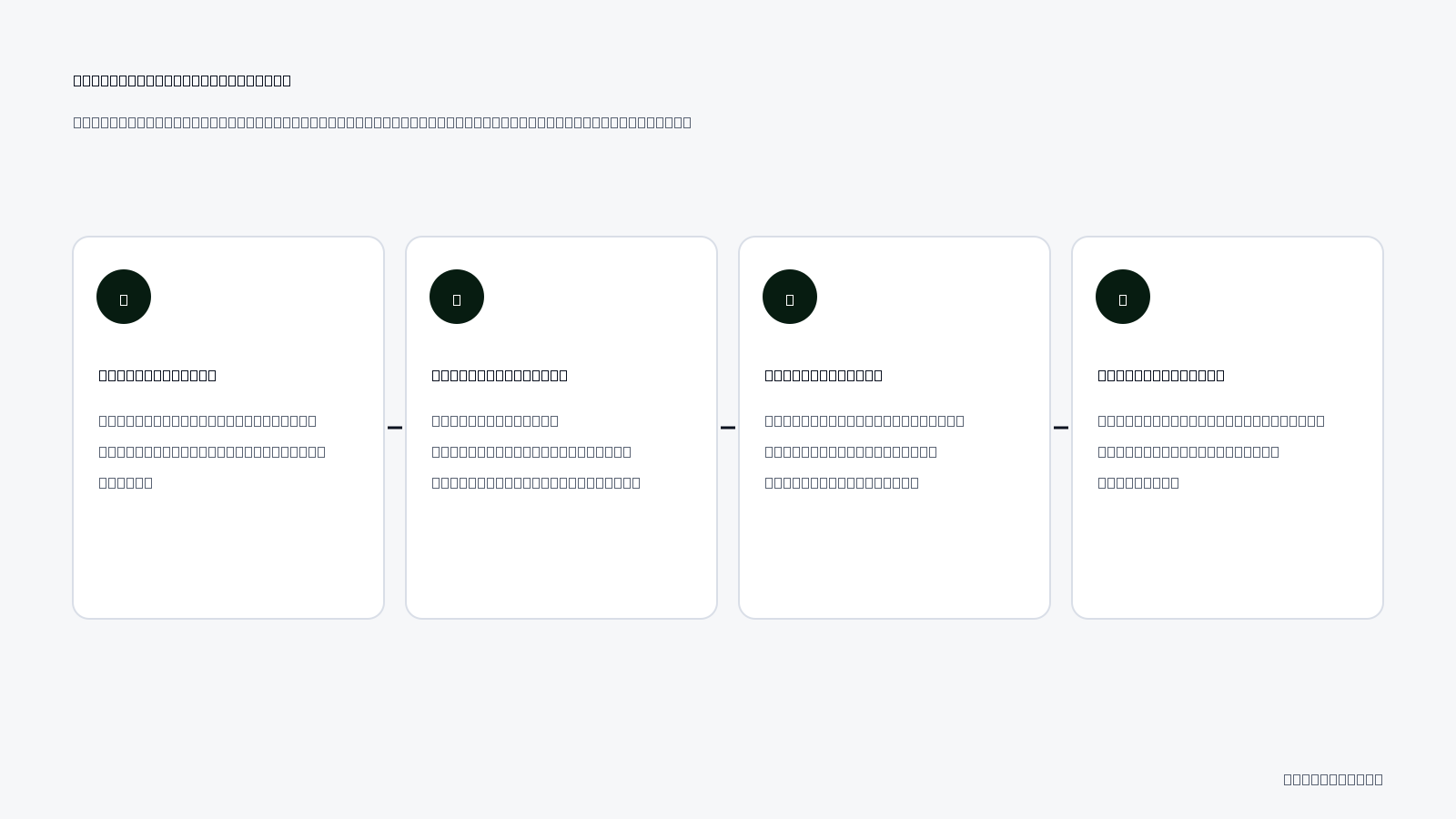
The stabilization process moves from immediate spend protection to structural campaign rebuilding, executing across five chronological phases:
- Performance audit — Meta Ads Manager reporting is reviewed to flag ad variants with high CPM and sub-benchmark CTR, which determines which ads receive automated pause triggers.
- Creative angle ideation — Creative concepts are derived from landing page copy and consumer pain points, which determines what visual formats and hooks are sent to production.
- Targeting consolidation — Fragmented interest-based ad sets are merged into a single broad audience structure, which determines the ad set architecture in the campaign draft.
- Creative generation and copy alignment — New primary texts, direct headlines, and benefit-led creatives are assembled, which prepares all campaign assets for final account export.
- Campaign publication and baseline monitoring — The consolidated campaign is published to the Meta ad account, which initiates the monitoring phase to track stabilizing CPM and CTR metrics.
Executing the creative and campaign restructuring
Begin by setting up an automated rule in Meta Ads Manager to halt spend waste: configure a rule that automatically pauses any ad spending more than two times your target CPA (cost per acquisition, the total advertising cost to acquire a single customer) without generating a conversion. Once underperforming ads are halted, generate fresh ad concepts. Performance marketers can use Adsaify to analyze their e-commerce website URL, which automatically drafts audience suggestions, targeted ad copy, and fresh creative variations based on live product data.
Next, dismantle narrow interest silos. Instead of maintaining distinct ad sets for separate interests, consolidate your budget into an open broad ad set or an Advantage+ Shopping Campaign. Craft distinct ad creative hooks that speak directly to different buyer personas, allowing the creative itself to do the targeting. Align your primary text with consumer search intent by leading with the primary functional benefit in the first two lines, followed by a clear, singular call to action. Export the drafted campaign directly into your Meta ad account and allow it to exit the learning phase before making manual adjustments.
Should new creative angles drafted in Adsaify be added into the running set or a fresh campaign?
New creative angles drafted in Adsaify should be deployed into a dedicated testing campaign rather than added directly to an existing, optimized ad set. Inserting new ads into a running ad set alters its budget distribution and can destabilize its learning status. Launching a new testing campaign allows fresh creatives to gather impressions cleanly, identify winning combinations without interference, and scale predictably before merging top performers into ongoing evergreen ad sets.
How does a concrete optimization scenario work for an e-commerce brand?
An e-commerce brand optimizes high CPM and low CTR by diagnosing audience saturation, expanding restrictive targeting, and deploying diverse visual hooks. By shifting from fatigued static ads in micro-audiences to broader delivery with refreshed creative angles, the ad account reduces auction bidding penalties and restores engagement rates within days.
Diagnosing an underperforming apparel campaign
For example, consider an independent women's apparel store running a 600 TL daily budget across two ad sets in Meta Ads Manager. The campaigns demonstrate a high CPM (cost per mille, the cost per one thousand ad impressions) of 180 TL and an outbound CTR (click-through rate measuring visitors who click off Meta platforms to the website) of just 0.4%.
Upon reviewing the Inspect tool in Meta Ads Manager, the advertiser notices severe auction overlap and audience fatigue. The campaign relies on narrow interest targeting—specifically targeting boutique fashion interests under 400,000 users—while running static, four-month-old catalog photos. Meta's auction responds by penalizing these stale assets with below-average quality rankings, driving ad costs up while link clicks collapse.
Implementing targeting and creative adjustments
The advertiser resolves the auction bottleneck through a three-step intervention:
- Asset suspension: The media buyer immediately pauses the decaying static ads to prevent further budget loss.
- Targeting consolidation: In ad set settings, the buyer removes narrow interest filters and switches to broad targeting (allowing demographic age and gender settings alone to guide delivery across the country).
- Creative generation: The advertiser uses Adsaify to analyze the store website URL, drafting three distinct video hooks: a problem-solution hook focusing on fabric comfort, an unboxing showcase, and a visual styling reel.
Within seven days of launching these diversified hooks, delivery metrics stabilize. The campaign CPM declines from 180 TL to 75 TL as relevance improves, while outbound CTR advances from 0.4% to 1.8%, cutting customer acquisition costs significantly.
How many days after deploying fresh hooks does the CPM metric usually adjust?
CPM metrics typically adjust within two to four days after deploying fresh creative hooks, provided the ad set exits initial auction volatility. Meta Ads Manager requires roughly fifty optimization events per ad set within a seven-day window to fully calibrate delivery algorithms, but the auction engine recalibrates user engagement signals almost immediately. As users pause on and click new assets, the ad auction awards higher estimated action rates, directly reducing CPM within roughly 48 to 96 hours.
Which ad metrics verify that your CPM and CTR recovery strategy actually succeeded?
Advertisers verify that a CPM and CTR recovery strategy succeeded by tracking rising outbound click-through rates, falling outbound cost-per-click, improved thumbstop rates, and stabilized acquisition costs. When creative relevance signals increase in Meta Ads Manager, delivery costs drop while downstream conversion metrics and overall return on ad spend improve simultaneously.
Tracking primary engagement and auction efficiency signals
An advertiser evaluates four core indicators inside Meta Ads Manager to confirm recovery:
- Outbound CTR: This metric reflects direct interest in visiting your website. A successful recovery lifts outbound CTR above the healthy feed benchmark of 1.2%, signaling strong creative resonance.
- Outbound CPC: Outbound CPC (cost per outbound click) measures traffic acquisition cost. As ad relevance improves, Outbound CPC often cuts in half because Meta discounts delivery for engaging assets.
- Thumbstop Rate: Calculated by dividing 3-second video plays by total impressions, thumbstop rate measures initial hook efficacy. A rate above 30% confirms that new video hooks capture audience attention immediately.
- CPA and ROAS: CPA (cost per acquisition) is the ad spend required to secure one purchase, while ROAS (return on ad spend) is total revenue divided by ad spend. True creative health lowers CPA and restores sustainable ROAS.
Evaluating recovery milestones in Meta Ads Manager
The following performance breakdown compares unhealthy campaign symptoms with verified recovery benchmarks:
| Metric | Auction Penalty Symptom | Healthy Recovery Benchmark | Strategic Implication |
|---|---|---|---|
| Outbound CTR | Below 0.6% on feed placements | Above 1.2% on feed placements | Creative hooks prompt action rather than passive scrolling. |
| Outbound CPC | Continuously rising above account average | Declines by 30% to 50% from peak | Lower auction bids reduce overall cost per site visitor. |
| Thumbstop Rate | Below 18% on video creatives | Sustained between 30% and 45% | The opening 3 seconds prevent rapid feed abandonment. |
| Cost Per Acquisition | Exceeds target gross margin limits | Stabilizes at profitable commercial target | Higher traffic quality converts effectively on product landing pages. |
If CPM drops significantly but CTR also declines, does that constitute a recovery?
A drop in CPM accompanied by a declining CTR does not constitute a genuine recovery. This pattern usually indicates that Meta shifted delivery away from engaged, high-intent prospective buyers toward cheap, low-intent placements or irrelevant audiences, such as Audience Network banners or accidental video clicks. True campaign recovery requires Outbound CTR to rise or hold steady while CPM falls, ensuring that lower impression costs result from creative relevance rather than substandard traffic.
Want to see this in your own account? Enter your website address and Adsaify drafts the campaign for you. The first ad is free. Try it now or log in.
What weekly routine prevents auction penalties and recurring ad creative fatigue?
A structured weekly management routine prevents auction penalties and creative fatigue by systematically monitoring engagement drop-offs, cutting inefficient spend, and staging fresh assets before ad frequency rises. Advertisers safeguard ad delivery quality by auditing fatigue metrics on Mondays, checking automated safety rules on Wednesdays, and queueing new visual hooks on Fridays.
Structured maintenance routine for ad creative health
Ad frequency is the average number of times an individual user views an ad over a specific period. Maintaining predictable performance requires executing standardized weekly operational checks across Meta Ads Manager rather than applying reactive, sporadic campaign adjustments.
- Daily: Check ad-level Cost Per Acquisition (CPA) and pause extreme negative outliers to stop unbudgeted capital loss before an ad distorts broader account efficiency.
- Weekly (Monday): Inspect ad frequency alongside outbound CTR (the percentage of impressions that result in clicks leading off Meta technologies) across all active ad sets to catch creative wear-out before auction penalties manifest.
- Weekly (Wednesday): Review automated rules inside Meta Ads Manager to verify that underperforming ads exceeding cost ceilings are turned off without operational delay.
- Weekly (Friday): Generate new visual hooks, ad angles, and headline variations using Adsaify to maintain an active reserve pipeline ready for campaign rotation.
- Weekly (Sunday): Publish new creative tests into isolated sandbox ad sets so the delivery system gathers initial impression signals during lower-cost off-peak evening traffic.
- Monthly: Perform a creative format audit comparing video hold rates, static image conversion rates, and carousel engagement to determine which asset types generate the lowest CPM (cost per mille, which is the cost per one thousand ad impressions).
Maintaining an intentional creative staging discipline
Creative staging is the practice of keeping approved, tested ads inactive in draft or sandbox environments until running assets show early symptoms of decay. By staging replacements in advance, performance marketers eliminate the gap between identifying ad fatigue and deploying fresh assets. This steady asset introduction signals creative freshness to Meta's relevance engines, preventing sudden CPM spikes.
How many fresh creative variations should be tested into delivery each week?
An active Meta ad account should introduce between three and five fresh creative variations per week for every active scaling campaign. For example, an e-commerce brand spending 1,000 USD daily maintains steady delivery by deploying two new visual hooks and two layout variations into a sandbox ad set weekly. This intake volume provides Meta's auction algorithm with sufficient diversification without diluting budget allocation across too many simultaneous learning tests, thereby stabilizing customer acquisition costs.
What common mistakes worsen ad costs when trying to fix low performance?
Advertisers worsen ad costs when addressing low performance by manipulating audience settings instead of fixing weak ad creatives, chasing superficial CPM drops through low-quality placements, and abruptly scaling budgets. These missteps disrupt Meta's machine learning, depress post-click relevance scores, and trigger punitive auction pricing that inflates overall acquisition expenses.
Constantly altering audience interests instead of iterating visual hooks
Frequent audience adjustments reset the delivery algorithm's learning progress and overlook the primary cause of low CTR, which is unengaging creative messaging. The fix is keeping targeting broad or consolidated while methodically testing new three-second video hooks, headlines, and distinct visual formats to let creative content define the target segment.
Forcing ad delivery into cheap Audience Network placements
Restricting ad delivery to Meta Audience Network or right-column placements artificially depresses blended CPM figures, but yields accidental clicks and bot traffic that fail to convert on-site. The fix is utilizing Advantage+ Placements or restricting manual placements strictly to high-intent Feed and Reels environments where user interactions remain authentic.
Drastically scaling budget on a single winning variation
Increasing an ad set budget by more than twenty percent at once shocks auction calibration, leading to aggressive impression pacing, audience saturation, and immediate CPM increases. The fix is applying gradual budget increases between fifteen and twenty percent every forty-eight hours to preserve auction equilibrium.
Using sensationalized clickbait hooks to inflate initial clicks
Misleading hooks produce initial spikes in outbound clicks, but fast site abandonment signals poor user value to Meta's quality algorithms, prompting heavy auction penalties. The fix is maintaining direct continuity between the hook used in the ad creative and the headline on the destination landing page.
Making frequent daily edits that restart the learning phase
Daily modifications to bids, creative assets, or ad set parameters force campaigns into continuous learning resets, a state characterized by heightened cost volatility and unstable delivery. The fix is allowing ad sets to accrue fifty optimization events before implementing analytical optimizations.
Pausing underperforming ads without introducing replacement creative assets
Deactivating failing ads without launching fresh variations concentrates delivery on surviving ads, rapidly inflating ad frequency and accelerating creative exhaustion. The fix is generating and queueing fresh image and video concepts—using tools like Adsaify—to replenish ad sets whenever poor performers are switched off.
Does setting a strict Bid Cap solve the underlying high CPM problem immediately?
Setting a strict Bid Cap—a bidding control that limits the maximum bid Meta can submit in any individual auction—does not solve high CPM and low CTR. While a Bid Cap prevents the system from bidding above your specified threshold, it often causes delivery to stall entirely when relevance scores are depressed. The algorithm simply refrains from entering auctions it cannot win within your limit, masking poor creative resonance rather than correcting it.
When will this optimization method fail and what are its inherent limitations?
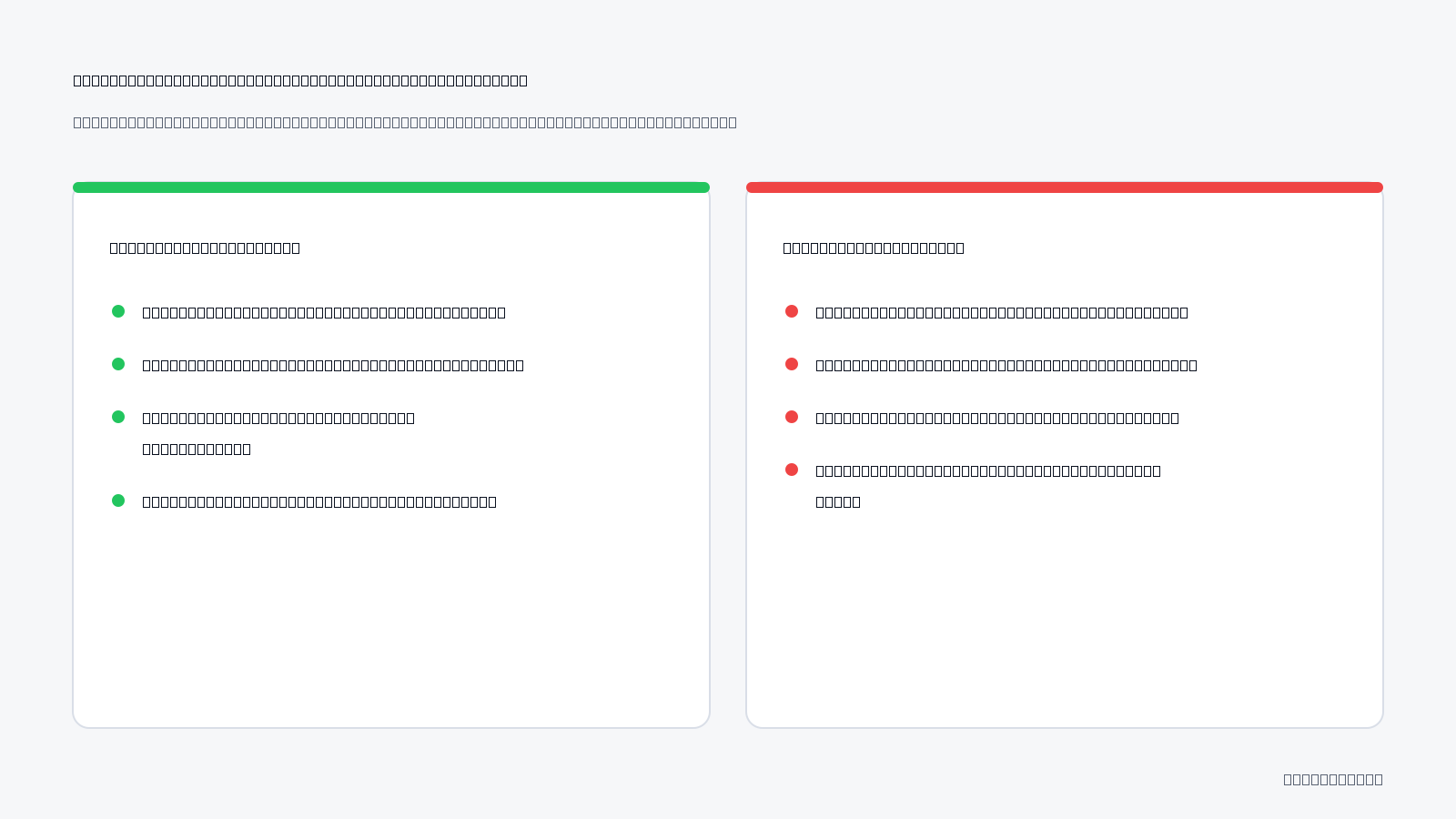
Creative and targeting optimizations fail when foundational business elements outside Meta Ads Manager break down. Refining ad hooks, audience filters, or campaign structures cannot correct products that lack consumer demand, unoptimized destination pages that lose traffic instantly, seasonal macroeconomic auction surges, or broken conversion tracking pipelines that starve Meta's delivery algorithm of essential performance signals.
Unviable products and severe destination site friction
Refining ad angles cannot rescue an offering with zero product-market fit. Product-market fit is the degree to which a product satisfies a strong market demand. If consumers find the core value proposition unconvincing or the pricing uncompetitive, ad creative variations will temporarily raise click-through rates without generating profitable downstream transactions.
Furthermore, destination page speed directly influences Meta's ad delivery. If an e-commerce website takes longer than three seconds to load or displays a malfunctioning checkout button, the user experience score plummets. Meta monitors post-click bounce rates and site abandonment; when visitors immediately bounce back to Instagram or Facebook, the ad auction lowers the ad set's quality score and raises auction costs regardless of creative quality.
Macroeconomic competition and tracking infrastructure failures
Seasonal auction spikes present an uncontrollable ceiling for CPM reduction. CPM (cost per mille) is the auction price an advertiser pays for every one thousand impressions. During major shopping holidays such as Black Friday or Cyber Monday, global advertising demand increases baseline auction bids across every demographic. In this environment, optimization preserves margins and keeps costs manageable, but it cannot force CPM down to off-season rates.
A failing tracking infrastructure also invalidates delivery optimization. The Meta Pixel is a snippet of tracking code placed on a website to log visitor actions. The Conversions API (CAPI) is a server-side tool that shares customer events directly from a web server to Meta. When tracking lacks Conversions API deduplication or drops purchase events, the optimization algorithm receives incomplete conversion data. Lacking feedback, the delivery system misidentifies responsive audiences, degrading ad distribution efficiency.
Review this technical audit checklist before concluding that creative optimization has failed:
- Audit your checkout flow on multiple mobile devices to ensure zero technical friction.
- Measure destination page load speeds across mobile cellular connections to confirm load times remain under two seconds.
- Verify server-to-browser event deduplication inside Meta Events Manager to ensure proper Conversions API transmission.
- Check seasonal auction volatility benchmarks to separate macro bidding spikes from internal ad performance drops.
- Inspect customer reviews and competitor pricing to confirm steady consumer demand for the promoted offer.
- Implement automated safety guardrails via Adsaify automation rules to pause unviable ad sets before unoptimized campaigns drain your media spend.
Does a historical ad account penalty linger and influence freshly launched campaigns?
Historical ad account penalties do not permanently corrupt new campaigns, provided that previous compliance strikes have expired. Meta evaluates the ad auction dynamically at the ad and ad set level using the Total Value formula. However, account-level quality scores and low feedback ratings from historical customer surveys can temporarily elevate delivery costs. Launching compliant, high-retention creatives within a restructured campaign architecture resets algorithmic evaluation, allowing clean performance data to re-establish normal auction pricing rapidly.
What essential Meta advertising terms define ad auction and creative health?
Meta advertising health relies on a precise ecosystem of auction economics, tracking protocols, and engagement signals. Mastering these core concepts allows media buyers to diagnose campaign delivery bottlenecks, separate algorithmic bidding penalties from creative fatigue, and configure programmatic performance rules that protect acquisition margins across Facebook and Instagram placements.
- CPM (Cost Per Mille): The auction price paid for every one thousand impressions served on the platform.
- Outbound CTR: The percentage of ad impressions that resulted in an external link click to the destination site.
- Hook Rate: The ratio of 3-second video views relative to total impressions measuring initial visual stoppage.
- Hold Rate: The percentage of video viewers who watch through at least fifteen seconds or complete a short video ad.
- Broad Targeting: Running campaigns without interest or behavioral filters, letting creative assets steer targeting.
- Creative Fatigue: The performance decline occurring when audience saturation increases ad frequency and elevates acquisition costs.
- Total Value Formula: Meta's auction equation combining advertiser bid, estimated action rates, and user ad quality to select winning ads.
- Conversions API (CAPI): A server-side data pipeline transmitting customer purchase and browsing actions directly to Meta's optimization engine.
- Quality Ranking: Meta's diagnostic metric assessing an ad's perceived quality compared to competing ads targeting the same audience.
- Engagement Rate Ranking: A diagnostic metric measuring expected user interactions such as likes, shares, and comments against competing ads.
- Conversion Rate Ranking: A diagnostic metric predicting user conversion likelihood based on historical landing page experience and post-click events.
- Adsaify Automation Rules: Conditional programmatic logic that halts non-performing ad variants systematically inside the advertiser's ad account.
What is the difference between Link Click CTR and Outbound CTR in reporting?
Link Click CTR calculates all clicks on links within an ad, including clicks on the brand's Instagram profile handle, call-to-action buttons, and "see more" caption expansions. In contrast, Outbound CTR measures only the clicks that take users away from Meta's interface directly to an external website or app destination. Performance marketers rely on Outbound CTR to evaluate genuine creative traffic generation, because Link Click CTR artificially inflates click metrics by recording platform-bound engagement.
Permanently Break the High CPM and Low CTR Spiral in Meta Advertising
When tackling high CPM (cost per mille, the cost per thousand impressions) and low CTR (click-through rate), start by diagnosing audience overlap and auction competition before touching active budgets. Next, inspect your creative assets: replace worn-out visual hooks and ensure the offer aligns tightly with the targeted segment. Finally, streamline ad set delivery by consolidating fragmented campaigns and setting clear automation rules to halt declining ads before they drain spend.
To fix your campaigns today, identify your three ads with the lowest click-through rate over the past seven days and pause them immediately. You can then prepare fresh creative concepts and launch a clean test structure. If you need new visual directions or copy tailored to your website, you can register on Adsaify and publish your first ad campaign for free.
Want to see this in your own account? Enter your website address and Adsaify drafts the campaign for you. The first ad is free. Try it now or log in.
Frequently Asked Questions (FAQ)
1. Should you reduce your daily ad budget immediately when CPM starts spiking?
No, reducing your daily ad budget immediately when CPM (cost per mille) spikes can worsen delivery volatility by throwing the ad set back into the learning phase. Instead, check whether the surge stems from temporary auction competition, such as weekend e-commerce events. Let the ad deliver for 48 to 72 hours while evaluating conversion stability before adjusting budgets or targeting parameters.
2. Can changing only the ad body copy recover a dying click-through rate?
Changing only the ad body copy rarely recovers a dying CTR (click-through rate), because visual elements and opening video hooks stop user scrolling on Meta platforms. Body copy influences post-stop consideration, but the image, video, headline, and call-to-action drive the initial tap. To revive performance, test entirely new visual concepts or creative formats rather than adjusting body text alone.
3. Can seasonal weekends or holiday competition cause temporary CPM surges?
Yes, seasonal weekends, retail holidays, and major shopping events regularly cause temporary CPM surges across Meta auctions. During high-intent shopping periods, more advertisers bid simultaneously for identical audience impressions, which inflates the competitive floor price. These spikes typically subside once peak demand passes, so temporary cost increases during holiday periods do not necessarily indicate structural creative failure.
4. Does toggling off and restarting a fatigued ad reset its auction performance?
Toggling off and restarting a fatigued ad does not reset its auction performance on Meta. Meta retains historical ad-level engagement, relevance scores, and frequency metrics tied to that specific creative identifier. Simply reactivating a tired ad subjects it to the same audience fatigue, resulting in elevated CPM and weak CTR. Instead, launch entirely new creative assets in the ad set.
5. Why might broad targeting initially exhibit elevated CPMs during early delivery?
Broad targeting may initially show elevated CPMs during early delivery because Meta algorithms have not yet identified which subsets of the wider audience respond best. During the initial learning phase, the delivery system tests impressions across diverse demographic clusters, leading to temporary cost inefficiencies. CPMs generally stabilize once the algorithm collects sufficient conversion events to pinpoint responsive audience pockets.
6. Should an ad with a low quality ranking warning be deleted or simply paused?
An ad with a low quality ranking warning should simply be paused rather than deleted. Pausing the ad immediately prevents it from harming account-level auction reputation and stops wasted expenditure, while preserving historical performance data for future analysis. Deleting an ad permanently removes delivery records without offering any additional algorithmic benefit over simply pausing it.
7. How does generating new ad creative options via Adsaify support auction health?
Generating new ad creative options through Adsaify supports auction health by helping advertisers introduce fresh visual concepts and angles into running ad sets. Adsaify analyzes a website URL or description to produce new images, video concepts, and copy variations. Introducing these fresh assets combats creative fatigue, which helps maintain high relevance scores and suppresses rising CPMs across campaigns.
8. How many active creative variants should run simultaneously in a single ad set?
A single ad set should typically run three to five active creative variants simultaneously. Running fewer than three limits creative diversity, while running more than six fragments your budget, preventing any individual ad from gathering enough conversion data to exit the learning phase. For example, with a 500 TL daily budget, three to four distinct creatives ensure balanced distribution.
How can you try this with Adsaify?
The quickest way to apply the steps in this article to your own account is to try them. Adsaify analyses your business from your website address, drafts the campaign with an audience, ad copy, creative and a budget suggestion, and publishes it to your own Meta ad account once you approve.
- Your first ad is free: there is nothing to lose by trying.
- Your own ad account: the campaign runs in your Meta account and you stay in control.
- Images and video: generate ad creatives with AI or promote an existing Instagram post.
Create a free account and try your first ad · Already have an account? Log in.