
Short answer: Budget clashes in AI ad tools occur when external optimization software and Meta's native algorithms bid against each other for the same audiences. To solve this, define clear control boundaries for each tool, prevent audience overlap using strict exclusions, and consolidate automated rule triggers within a single central management workflow.
You launch a campaign, let an external AI optimization tool manage daily spend, and wake up to discover erratic pacing across your ad sets. By midday, your allocated budget is completely exhausted due to sudden spikes in CPM (cost per mille, the cost per thousand impressions), yet actual conversions remain stagnant. When you attempt to stabilize the account inside Meta Ads Manager, your third-party software triggers a conflicting automated rule an hour later, aggressively scaling a set that Meta's auction is actively trying to throttle.
This operational breakdown occurs because external automated platforms and Meta's internal machine learning operate on competing timelines and feedback loops. Meta optimizes continuous delivery using real-time auction signals, while external tools execute delayed rules based on historical reporting data. Left unaddressed, this tug-of-war forces ad sets into persistent learning phases, triggers self-competition in the ad auction, and burns capital through uncoordinated bid adjustments that depress overall ROAS (return on ad spend).
This guide delivers an end-to-end framework to eliminate algorithmic friction across your marketing stack. You will learn how to diagnose overlapping automated triggers, define strict operational boundaries between Meta and external tools, and design an account architecture that prevents internal bidding competition. Following the diagnostics, restructuring workflows, and weekly verification routines outlined below will restore stable ad pacing and ensure predictable acquisition costs.
Key Takeaways
- Clashes between Meta native AI and external ad tools artificially inflate CPM costs in the auction.
- Granting budget management permissions to multiple optimization engines triggers self-competition.
- Separating creative generation tools from budget execution rules prevents erratic bidding spikes.
- Weekly overlap audits and centralized automated rules eliminate wasted ad spend across campaigns.
What Is an AI Budget Clash in Meta Ads and How Do You Spot It?
An AI budget clash in Meta ads occurs when two automated systems—such as Meta's internal auction algorithm and an external AI rule engine—simultaneously adjust bids, budgets, or audiences for identical user segments. This operational collision inflates acquisition costs, triggers bidding self-competition, and destabilizes campaign delivery across Facebook and Instagram placements.
Recognizing Cost Spikes and Delivery Diagnostic Warnings
CPM (cost per mille) is the cost an advertiser pays for every one thousand impressions delivered by Meta. A primary symptom of a budget clash is an immediate, unexplained CPM increase of 30 to 50 percent on active ad sets without changes in creative assets or seasonal competition. When an external tool raises a bid while Meta simultaneously increases pacing, both automated systems bid against each other for the same users.
Auction overlap rate is the proportion of ad auctions where multiple ad sets from the same account compete directly against each other. In Meta Ads Manager, navigate to the Delivery column, open the Inspect tool for an active ad set, and evaluate the Auction Overlap chart. An auction overlap rate exceeding 20 percent signals that internal ad sets and automation tools are fighting over identical audience pockets rather than reaching unique prospects.
Diagnosing Pacing Irregularities and Morning Spend Depletion
Ad pacing is the rate at which Meta distributes an ad set's daily budget throughout a 24-hour cycle. When third-party AI tools execute aggressive spend commands early in the day, campaigns often exhaust 70 to 80 percent of their daily budget before noon without generating corresponding purchases.
For example, an online boutique selling leather accessories with a 1,000 TL daily budget across two prospecting ad sets experienced rapid budget burn. An external automation rule adjusted daily budgets upward by 20 percent at 06:00 based on low midnight CPMs. Concurrently, Meta's Advantage campaign budget reallocated spend to capture morning impressions. By 10:00, the ad sets spent 850 TL but delivered zero purchases. Reviewing the Meta Ads Manager breakdown by hour revealed an inflated CPC (cost per click) during that window. After deactivating the automated rule and allowing Meta to control pacing, the delivery curve flattened and cost per acquisition normalized.
Can budget clashes still happen if I only use a single external AI ad tool?
Yes, budget clashes still happen when using a single external AI tool alongside Meta Ads Manager. Meta inherently operates internal machine learning models for bid pacing, conversion optimization, and audience expansion. When an external tool modifies budgets, toggles ad sets, or adjusts targeting parameters without synchronizing directly with Meta's active delivery states, the two algorithms pursue contradictory mechanical priorities, creating performance friction and destabilizing account delivery.
Why Do External AI Software and Meta Algorithms Conflict?
External AI software and Meta algorithms conflict because third-party tools make decisions outside Meta's real-time auction environment using delayed data feeds. While Meta optimizes bidding within milliseconds based on live user engagement, external platforms apply rigid rules, fragmented objectives, and delayed API feedback, forcing the platform into constant structural recalculation.
Audience Expansion Versus Strict Rule Constraints
Meta Advantage+ audience targeting is an automated targeting system that expands audience criteria beyond specified boundaries whenever cheaper conversions are detected. In contrast, legacy third-party software often enforces rigid demographic or interest parameters. When Meta expands an audience to capture cost-effective buyers, the external rule identifies the expansion as audience drift and restricts bids, counteracting Meta's optimization logic.
API Latency, Conflicting Objectives, and Learning Phase Disruption
The Meta Graph API is the programmatic interface used by external applications to read and modify ad account data. Reporting metrics retrieved through this API experience latency ranging from fifteen minutes to several hours. Consequently, external tools often react to historical performance while Meta responds to real-time auction density.
ROAS (return on ad spend) is the gross revenue generated for every dollar spent on advertising, whereas CPC (cost per click) is the fee paid each time a user clicks an ad. A conflict arises when Meta optimizes for purchase value while third-party rules suppress ads due to high CPC, discarding ads that actually yield high ROAS. Furthermore, when both engines toggle ads on and off, they trigger continuous learning phase resets. The learning phase is the calibration window where Meta gathers approximately fifty optimization events per ad set to stabilize delivery.
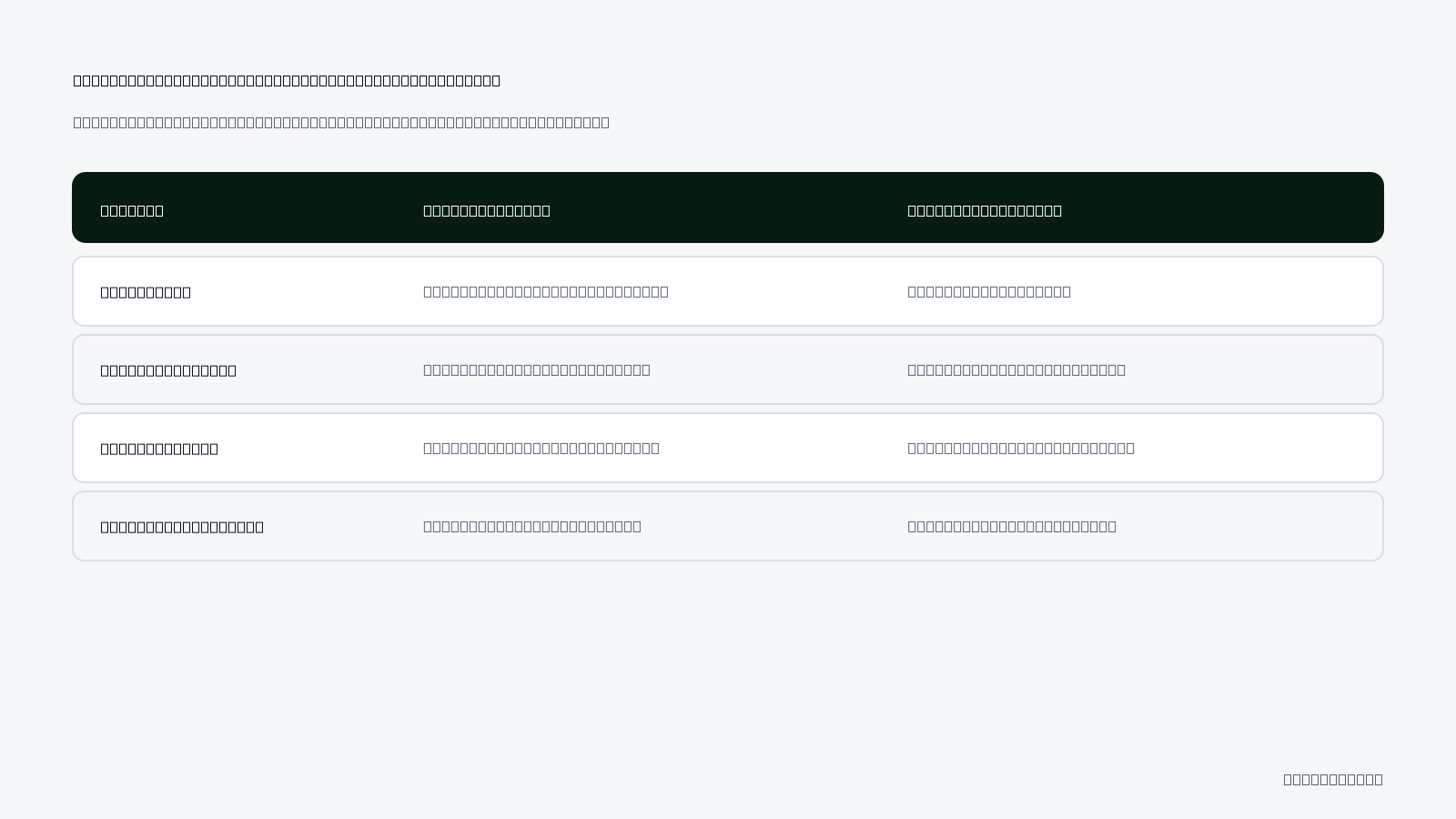
| Operational Dimension | Meta Native Algorithm | External Rule-Based AI | Resulting Friction |
|---|---|---|---|
| Optimization Timing | Real-time auction evaluation | Scheduled intervals via API | Outdated bids applied to live auctions |
| Targeting Strategy | Fluid Advantage+ expansion | Strict interest and lookalike borders | Artificial delivery throttling |
| Campaign Objectives | Conversion value and purchase volume | Isolated metrics like low CPC | High-converting ad sets paused prematurely |
| Delivery Stability | Smooth 24-hour spend pacing | Abrupt budget increases and cuts | Repeated learning phase resets |
Marketers seeking clean execution can create an account on Adsaify to align campaign structure with Meta native mechanics rather than layering contradicting rules.
Why does using an external AI tool carry risks when Meta already provides native automation?
Using an external AI tool carries operational risks because external software operates without direct visibility into Meta's real-time predictive auction signals. Meta processes millions of instantaneous user intent signals that third-party platforms cannot access through delayed reporting APIs. When external automation overrides native delivery, it often breaks Meta's machine learning feedback loop, leading to higher acquisition costs and delivery instability.
What Does an Unresolved Budget Clash Cost an E-Commerce Brand?
An unresolved budget clash costs an e-commerce brand severe margin erosion, wasted ad spend, and artificially inflated acquisition costs. When external automation rules and Meta native bidding algorithms compete for control, budgets shift erratically, resetting learning phases, inducing self-competition penalties in the ad auction, and forcing profitable campaigns into sudden conversion decline.
Inflated Acquisition Costs and Auction Overlap Penalties
CPA (cost per acquisition) is the total ad spend divided by the number of tracked purchases. When an external AI tool and Meta internal bidding models issue conflicting pacing instructions, CPA metrics routinely spiral upward to double or triple baseline targets. For example, with a 500 USD daily budget allocated across competing ad sets, self-competition can drive a standard 25 USD CPA up to 75 USD within 48 hours.
This surge happens because the advertiser pays an invisible auction penalty. When two ad sets from the same ad account enter the same ad auction, Meta auction overlap prevention system suppresses the less competitive ad set or forces the advertiser to bid against themselves. Instead of reaching fresh buyers at wholesale delivery prices, the brand artificially inflates clearing prices for its own target audiences.
Premature Creative Fatigue and Learning Phase Resets
The learning phase is the calibration window during which Meta delivery system gathers roughly 50 conversion events to optimize ad distribution. When an external optimization platform adjusts budgets by more than 20% or toggles ad sets on and off repeatedly, Meta algorithm re-enters the learning phase. Continuous resets prevent winning creatives from reaching peak delivery efficiency, shortening their profitable lifespan from months to mere days.
Meanwhile, the algorithm diverts remaining spend toward unproven or lower-margin creative iterations. Because the budget moves faster than Meta statistical models can stabilize, top-margin catalog inventory starves while underperforming variants consume cash flow.
- Audit Meta Ads Manager for recurring "Learning Limited" delivery statuses across scaling campaigns.
- Review historical Cost Per Acquisition metrics for erratic 50% to 200% spikes without external market causes.
- Inspect automated rule execution logs across all connected software tools and native settings.
- Calculate gross margin loss caused by ad spend diverted to low-return product sets.
- Identify ad sets exhibiting audience overlap rates exceeding 20% in delivery diagnostics.
- Verify whether automated budget adjustments exceed 20% within rolling 24-hour windows.
Could this auction friction eventually lead to ad account penalties or restrictions?
Auction friction does not trigger direct policy penalties, account bans, or compliance restrictions from Meta integrity systems. Meta algorithms treat bidding collisions purely as poor economic performance rather than policy violations. However, severe bidding volatility causes rapid budget drain, high customer acquisition costs, and poor user delivery signals. These secondary effects can lower your ad account quality ranking over time, leading to higher baseline CPMs (cost per thousand impressions) and reduced auction priority across all active campaigns.
How Do You Diagnose the Exact Cause of AI Budget Friction?
You diagnose the exact cause of AI budget friction by analyzing Meta Ads Manager delivery metrics, cross-referencing activity change logs, and reviewing bid strategies. Comparing external automated actions against Meta internal auction diagnostics pinpoints whether conflicts stem from overlapping targeting, conflicting automated bid caps, or duplicate rule triggers operating on identical conversion signals.
Analyzing Auction Overlap and Inspect Tool Diagnostics
Meta Ads Manager Inspect tool provides granular visibility into delivery mechanics at the ad set level. Within the Inspect side panel, navigate to the Auction Overlap and Auction Competition charts. CPM (cost per mille) is the cost an advertiser pays for one thousand impressions. A sharp spike in Auction Overlap paired with climbing CPM indicates that your campaigns are actively bidding against each other in the Meta auction pool.
Cross-Referencing Activity Logs and Automated Bid Strategies
Diagnosing AI friction requires comparing the Meta Ads Manager Activity History log directly against the execution timestamps of external management software. For instance, if an automated tool like Adsaify runs performance automation rules to pause unprofitable ads while another system concurrently scales ad set budgets, the ad account suffers execution clashes.
Bid strategy discrepancies also generate severe friction. Highest Volume delivery instructs Meta to spend the entire budget to maximize conversions, whereas Cost Cap imposes a ceiling on average acquisition costs. When an external AI tool forces aggressive daily budget increases while an internal Meta Cost Cap restricts delivery, spend abruptly stalls or surges unpredictably.
| Observed Account Symptom | Underlying AI Conflict | Diagnostic Tool or Menu | Corrective Setting Action |
|---|---|---|---|
| Sudden CPA Spike | Simultaneous internal auction overlap | Inspect Panel > Auction Overlap | Consolidate competing audience segments |
| Frequent Learning Resets | External budget adjustments exceeding 20% | Ads Manager > Activity History | Constrain automated pacing to under 20% daily |
| Delivery Stagnation | Cost Cap conflicting with spend accelerators | Ad Set Settings > Bid Strategy | Align external rules with Highest Volume delivery |
| Conflicting Status Toggles | Multiple tools modifying the same pixel event | Automated Rules > Rule Activity Log | Disable duplicate rules across external platforms |
Does an ad set require a minimum spend threshold before the Inspect tool shows overlap data?
Yes, an ad set requires minimum delivery activity before Meta Ads Manager displays Auction Overlap data in the Inspect panel. Meta typically requires an ad set to run actively for at least 48 to 72 hours and generate several thousand impressions to build statistically meaningful competition graphs. If an ad set spends less than roughly 10 to 20 USD daily or has zero impressions during auction windows, the Inspect tool displays insufficient data warnings.
If you would rather not set up each of these steps by hand, try it in Adsaify: your first ad is free, so there is nothing to lose. Create a free account.
What Must You Check and Prepare Before Reconfiguring AI Tools?
Before reconfiguring AI ad tools, performance marketers must audit connected API access tokens, pause external automation scripts, record 30-day baseline metrics, and verify tracking data integrity. These preparatory checks prevent automated bidding collisions, isolate variable changes, and ensure conversion signals accurately inform Meta's machine learning delivery system.
Auditing Connected Integrations and Access Tokens
Open Meta Business Settings and navigate to the Integrations menu, checking both Connected Apps and System Users. Third-party automation platforms rely on API (application programming interface, which is a software intermediary allowing two applications to talk to each other) access tokens to submit automated campaign changes. Document every active tool that possesses write permissions for campaigns, ad sets, and budgets, revoking permissions for legacy tools no longer in active operational use.
Establishing Baselines and Validating Event Tracking
Before modifying any automated system, export your trailing 30-day performance data from Meta Ads Manager. Record baseline figures for CPA (cost per acquisition, which measures the total ad spend required to generate one purchase), ROAS (return on ad spend, calculated by dividing revenue generated by ad spend), and CPM (cost per mille, which represents the cost per one thousand ad impressions).
Next, open Meta Events Manager to verify tracking health. Inspect server-side and browser signals to confirm the Meta pixel and Conversions API deduplicate incoming purchase events using matched event_id parameters. Over-counting conversions artificially lowers apparent CPA, triggering third-party AI optimization routines to raise budgets erroneously on fatigued ad sets.
Preparation Checklist for AI Tool Reconfiguration
- Audit all third-party software listed under Business Settings to identify tools with active campaign write access.
- Pause all third-party automated rules governing bid, status, and budget management to enter an unhindered observation period.
- Export 30-day baseline metrics for CPA, ROAS, and CPM across all active campaigns to benchmark subsequent adjustments.
- Inspect Meta Events Manager to confirm event deduplication between Conversions API and the Meta browser pixel.
- Set hard daily budget caps inside Meta Ads Manager at campaign or ad set levels to prevent runaways during tool downtime.
Will pausing external automation rules cause my ad spend to surge out of control overnight?
Pausing external rules will not cause runaway ad spend if campaign-level or ad set-level daily budget limits are hard-coded inside Meta Ads Manager. Meta strictly honors the daily budget or lifetime budget established in your ad set or Advantage Campaign Budget settings, spending at most up to 125 percent of a daily limit on high-opportunity days while averaging out across a standard seven-day calendar period. Third-party rules merely alter these baseline ceilings automatically.
How Do You Resolve AI Tool Budget Clashes Step by Step?
Resolving AI tool budget clashes requires establishing clear tool boundaries, eliminating audience overlap, synchronizing budget edits with daily delivery cycles, and consolidating automation commands under a single decision engine. Marketers must separate generative tasks from bidding decisions, preventing competing software scripts from fighting over Meta auction signals and destabilizing delivery.
Separating Creative Generation from Budget Execution
Budget instability often stems from tools attempting to manage bidding and creative deployment simultaneously. Performance marketing teams solve this by restricting generative platforms strictly to content production while centralizing budget execution inside Meta Ads Manager. For instance, teams use Adsaify to analyze website URLs, generate ad copy, produce AI images or videos, and publish structured campaigns to their ad account, while relying on unified threshold rules to pause poor performers rather than scattering bids across multiple external optimization engines.
Enforcing Strict Audience Architecture and Cadence
Auction overlap occurs when multiple ad sets bid against one another for the same user impressions, inflating CPM figures. Exclude recent purchasers (for example, past 30 days) and active website visitors from broad prospecting ad sets to prevent AI tools from cannibalizing retargeting pools. Furthermore, limit programmatic budget adjustments to Meta's native 24-hour evaluation cycle. Editing ad set budgets multiple times inside a single day resets Meta's machine learning algorithm, preventing the delivery system from exiting the initial learning phase.
- Audit API tokens — Disconnect redundant external bidding tools to ensure only one platform has active campaign editing access.
- Consolidate budget controls — Move all active scaling and bid caps into either Meta Ads Manager or your primary automation engine.
- Apply audience exclusions — Exclude purchase custom audiences from prospecting sets to verify internal auction overlap drops below 10 percent.
- Set evaluation intervals — Program budget modification triggers to evaluate performance on a rolling 48-hour window before executing scaling decisions.
- Deploy clean automation rules — Configure conditional rules that pause underperforming ads based on target CPA without altering underlying campaign daily budgets.
Should I keep Meta native automated rules active when deploying campaigns through Adsaify?
You should not run duplicate automated rules across both platforms simultaneously. If Adsaify is configured to monitor performance and pause fatigue-laden creatives or underperforming ad sets, disable overlapping native automated rules in Meta Ads Manager. Running conflicting condition triggers—such as Meta pausing an ad set at one target CPA while an external platform adjusts budget based on ROAS—creates race conditions that reset learning phases prematurely and disrupt delivery stability.
How Do You Build a Conflict-Free Ad Account Architecture?
You build a conflict-free ad account architecture by separating creative testing from scaling campaigns, isolating budget authorities, and preventing competing bids on identical audiences. Giving third-party AI tools execution rights only for performance-based pausing while letting Meta algorithms manage delivery prevents overlapping adjustments, stabilizes audience delivery, and eliminates sudden cost inflation across active ad sets.
Structuring Segregated Budgets for Predictable Scaling
To eliminate internal competition, divide the ad account into clear operational environments with independent financial envelopes. For example, consider an e-commerce apparel brand operating with a 60,000 TL monthly budget, which breaks down to 2,000 TL per day:
- Creative Testing Pool (20 percent / 400 TL daily): Hosted inside standard manual Sales campaigns. This pool isolates new creative variants in distinct ad sets using dynamic creative setups to find winning hooks without auction interference.
- Advantage+ Shopping Campaign (60 percent / 1,200 TL daily): Serves as the primary conversion engine. Meta machine learning distributes budget across broad prospect pools and proven creative winners identified in testing.
- Controlled Scaling Pool (20 percent / 400 TL daily): Applied to manual campaigns running proven evergreen assets targeting specific retained lookalike or interest segments, constrained with bid caps or cost-per-result goals.
After implementing this structure, monitor the delivery distribution in Meta Ads Manager. Scaling changes must be restricted to a maximum daily budget shift of 20 percent. Exceeding a 20 percent budget adjustment forces Meta ad sets back into the learning phase, causing machine learning algorithms to reset bidding calculations.
Restricting External AI Tool Boundaries and Automation Rules
Budget collisions occur when external software attempts to actively reallocate funds while Meta Campaign Budget Optimization (CBO) is also adjusting delivery. External software should serve as a safety guardrail rather than an intraday bidding manager. Configure third-party tools to monitor performance thresholds without permission to modify bids or shift daily ad set budgets.
Using automation rules in Adsaify, advertisers can automatically pause ads that fall below critical Key Performance Indicators—such as an ad exceeding the target cost per purchase over a 72-hour window—without tampering with Meta native auction pacing or triggering mid-day bid wars.
Will migrating a winning creative from the test pool to main scaling campaigns create auction clash?
Migrating a winning creative will cause an auction clash if an advertiser leaves the creative active in both the test ad set and the scaling campaign simultaneously. When identical post IDs compete for the same broad audience across multiple campaigns, Meta auctions penalize account efficiency. To prevent self-competition, immediately pause the original test ad set once the existing post ID is exported into the Advantage+ Shopping Campaign, ensuring only one instance bids in the auction.
How Do You Measure If the Budget Clash Has Been Resolved?
You measure if a budget clash is resolved by tracking auction overlap rates below five percent in Meta Ads Manager inspect charts, observing CPM stabilization across core prospecting audiences, and recording a rebound in rolling return on ad spend. Additionally, ad sets should successfully exit the learning phase without sudden budget-driven resets.
Monitoring Auction Overlap and CPM Diagnostics
The primary diagnostic tool for identifying auction friction is the "Inspect" panel within Meta Ads Manager, accessible at the ad set level. Review the "Auction Overlap" graph. In a healthy, conflict-free setup, auction overlap should remain below five percent. When external AI tools and internal Meta algorithms bid against each other on identical customer segments, this metric frequently surges past 20 percent, leading to automated impression suppression.
Simultaneously inspect CPM (cost per mille, which is the cost per one thousand ad impressions). When budget authorities fight, CPM figures experience severe intraday spikes. Once clashes are resolved, CPM variations settle within an expected 10 to 15 percent standard deviation across core prospecting pools.
Diagnostic Indicators of Auction Health
Tracking the operational turnaround requires comparing account diagnostics before and after isolating automated budget controls:
| Diagnostic Metric | Conflicted AI Setup | Harmonized Architecture | Healthy Account Benchmark |
|---|---|---|---|
| Auction Overlap Rate | Fluctuates between 20% and 45% | Consistently below 5% | Less than 5% overlap |
| CPM Volatility | Sudden 50% to 100% daily jumps | Smooth, predictable trendlines | Within 15% daily variance |
| Ad Set Delivery Status | Perpetual "Learning Limited" | Transitions to "Active" status | 50 conversions per 7 days |
| ROAS (Return on Ad Spend) | Erratic daily swings with low floor | Stable 7-day rolling performance | At or above target profit threshold |
| Budget Velocity | External tool resets pacing mid-day | Meta delivers budget evenly | Gradual, curve-aligned pacing |
Confirm recovery by tracking ROAS (return on ad spend, calculated as gross revenue generated directly by ad campaigns divided by total ad spend). Look for a rising 7-day and 14-day rolling ROAS rather than single-day fluctuations. Stable ROAS indicates Meta delivery algorithms are finding sustained purchase intent without mid-flight disruption.
How many days does it usually take for delivery metrics to stabilize after removing clashes?
Delivery metrics usually require three to seven days to fully stabilize after removing budget clashes. Meta systems need at least 72 hours of uninterrupted delivery data to recalculate user response rates, calibrate auction bidding coefficients, and settle pacing algorithms. Advertisers should refrain from making manual edits, audience adjustments, or additional budget reallocations during this stabilization window, allowing Meta machine learning models to gather clean conversion signals across active ad sets.
Want to see this in your own account? Enter your website address and Adsaify drafts the campaign for you. The first ad is free. Try it now or log in.
What Weekly Routine Keeps AI Ad Accounts Permanently Conflict-Free?
A weekly maintenance routine keeps AI ad accounts conflict-free by establishing strict operational cadences for audits, creative updates, and audience exclusions. Marketers prevent programmatic budget disputes by reconciling external optimization logs with Meta Ads Manager change history weekly, systematically deactivating fatigued ads, and isolating API commands to singular data sources.
Deploying third-party automation alongside native Meta algorithms requires ongoing governance. Without regular calibration, background sync errors, overlapping audience targeting, and divergent attribution rules will gradually cause bidding engines to fight over the same conversion events.
- Daily: Verify campaign delivery and spend pacing inside Meta Ads Manager to confirm that external optimization rules have not throttled ad delivery unexpectedly.
- Monday: Audit the Meta Ads Manager Account History tab against external software execution logs for fifteen minutes to identify unauthorized or contradictory budget adjustments.
- Wednesday: Inspect creative fatigue metrics, specifically Frequency and First-Time Impression Ratio, to identify creative decay before algorithms depress ad set delivery.
- Wednesday: Deactivate fatigued ads using a unified automated rule set inside Adsaify or Meta Ads Manager, ensuring inactive creatives are not re-enabled by conflicting software.
- Friday: Review the Meta Audience Overlap tool within the Audiences dashboard and refresh dynamic negative customer exclusions to eliminate internal auction competition.
- Friday: Validate conversion tracking sync between Google Analytics 4 and Meta Events Manager to verify that automated bidding tools optimize against clean, deduplicated data.
- Monthly: Review Business Manager Integrations to revoke dormant API access tokens and remove legacy external automated rules that duplicate active campaign commands.
Is making manual budget adjustments during weekly maintenance harmful to active AI rules?
Yes, manual budget adjustments during active automation cycles destabilize machine learning models and cause budget clashes. Shifting campaign budgets manually by more than twenty percent resets the Meta learning phase, which requires fifty optimization events per week to stabilize. Furthermore, unexpected manual edits conflict with algorithmic scaling parameters set in external rules, causing tools to overcorrect with aggressive compensatory bids or sudden pauses. Maintainers should adjust rule logic rather than forcing manual daily budget overrides.
What Are the Most Common Budget Mistakes in AI Ad Management?
The most common budget mistakes in AI ad management stem from stacking uncoordinated automation layers that fight for control over auction bidding. Media buyers trigger rapid efficiency declines when third-party optimization tools, Meta platform algorithms, and poorly constrained automated rules execute contradictory budget instructions simultaneously on identical campaigns, audiences, and ad sets.
Running Meta Advantage Campaign Budget with External Algorithmic Allocators
CBO (Advantage Campaign Budget) dynamically distributes spend at the campaign level based on real-time ad set performance. When an external AI tool simultaneously adjusts ad set budgets, Meta predictive auction modeling breaks, creating erratic spending bursts. Fix: Disable external ad set budget scaling when CBO is enabled, or shift entirely to external budget pacing on ad set budget (ABO) campaigns.
Configuring Hyper-Aggressive Two-Hour Automated Rule Cycles
Short attribution lookback windows trigger automated rules to pause ad sets before Meta conversion API data fully reconciles. Due to attribution latency, rules interpret delayed sales as poor performance, cyclically toggling delivery. Fix: Set automated rules, such as those configured in the Adsaify dashboard, to inspect performance over a minimum attribution window of twenty-four to forty-eight hours.
Granting Simultaneous Admin Write Permissions to Multiple Automation Tools
Connecting multiple third-party marketing applications with write permissions allows creative software and bidding engines to overwrite mutual configurations. A creative tool might unpause an ad that bidding software flagged for low ROAS (return on ad spend, calculated as revenue divided by ad spend). Fix: Designate a single primary management tool with write permissions and restrict auxiliary software to read-only access.
Targeting Funnel Stages Without Negative Audience Exclusions
Running broad prospecting alongside retargeting without dynamic exclusions forces AI bidding systems to compete against internal ad sets. When the prospecting campaign bids on past purchasers, algorithms artificially inflate CPM (cost per thousand impressions). Fix: Add Custom Audience exclusions for existing purchasers and website visitors to every top-of-funnel ad set across all active campaigns.
Scaling Budgets by More Than Twenty Percent in a Single Window
Automated rules that double budgets after a winning day force the Meta delivery system back into the learning phase. This sudden volatility resets historical auction bidding data, driving CPA (cost per acquisition) upward. Fix: Constrain automated scaling rules to increase budgets by no more than fifteen to twenty percent once every twenty-four hours.
Stacking Conflicting ROAS and CPA Performance Thresholds
Assigning simultaneous target CPA bid caps alongside external minimum ROAS pausing rules creates deadlocks where neither condition can satisfy delivery requirements. Meta restricts impressions to meet the CPA limit while the external tool pauses delivery for low revenue volume. Fix: Standardize all internal and external automated optimization parameters on a single primary North Star metric.
Should you instantly kill a campaign the moment you detect a conflicting budget setup?
No, you should not immediately kill a campaign experiencing a budget conflict, as abrupt deactivation destroys accumulated machine learning and delivery signals. Instead, immediately pause the conflicting external automated rule or revoke third-party API write permissions to halt erratic changes. Once external interference stops, stabilize the campaign by maintaining steady budgets for forty-eight hours. Only recreate or permanently terminate the campaign if conversion performance fails to recover after the delivery system exits the unstable state.
When Will This Solution Fail and What Are Its Technical Limits?
Aligning external AI rules with Meta budget structures fails when fundamental data inputs or commercial conditions collapse. Technical limits occur when conversion volume is insufficient for statistical modeling, tracking infrastructure transmits corrupted signals, web storefront economics underperform, or extreme macroeconomic auction surges elevate costs beyond acceptable performance thresholds.
Data Volume and Commercial Viability Bottlenecks
External automation tools and Meta internal algorithms rely entirely on statistical volume. The Meta delivery system requires approximately 50 optimization events per ad set within a 7-day window to complete the learning phase. If an e-commerce store operates on a daily budget that yields only a handful of sales per week, machine learning models lack the statistical significance required to allocate capital efficiently. In such low-data environments, external automated rules act prematurely on random variance, pausing viable ads or triggering false-positive adjustments.
Furthermore, no automated budget software can rescue flawed retail fundamentals. When an e-commerce website exhibits uncompetitive product pricing, slow page load speeds, high shipping rates, or broken checkout flows, post-click conversion rates collapse. The advertising algorithm will interpret this friction as poor creative resonance, causing CPM (cost per thousand impressions) to escalate and delivery to contract, regardless of how well budget hierarchies are configured.
Tracking Failures and Macroeconomic Auction Surges
Automated optimization fails completely when signal integrity degrades. If the Meta Pixel or Conversions API (CAPI) generates duplicate Purchase events or fails to transmit exact transaction values, external software executes decisions against false numbers. If an external rule pauses an ad based on an inaccurate reported ROAS (return on ad spend, calculated as revenue divided by ad spend), revenue drops while ad spend shifts to less efficient assets.
Similarly, seasonal auction spikes represent an unavoidable macroeconomic ceiling. During events like Black Friday or holiday sales periods, platform-wide bidding competition causes baseline CPM rates to rise dramatically across entire industries. External tools configured with static cost-per-acquisition thresholds will repeatedly throttle spend or pause working creatives because the competitive cost floor has temporarily shifted upwards.
- Audit Meta Events Manager to verify the Meta Pixel and Conversions API pass clean Purchase events without duplication.
- Calculate whether total ad set spend permits at least 50 optimization events within a consecutive seven-day window.
- Review website checkout friction, payment gateway errors, and shipping costs to ensure baseline conversion integrity.
- Compare historical base CPM against seasonal peaks before altering automated budget parameters.
- Monitor Event Quality Match scores inside Events Manager to ensure algorithmic optimization models receive reliable customer identifiers.
- Set manual bid caps in Meta Ads Manager when holiday auction pressure causes system-wide delivery costs to spike.
Should I abandon AI advertising software entirely if my budget cannot hit 50 weekly conversions?
No, advertisers with smaller budgets should not abandon AI tools, but they must adapt the optimization objective. When a daily budget cannot produce 50 purchases per week, advertisers can optimize for higher-funnel standard events such as "Add to Cart" or "Initiate Checkout" inside Meta Ads Manager. Tools like Adsaify can still automate creative generation, copy testing, and safety pause rules on underperforming ads, preventing budget waste while the brand scales toward the volume required for purchase optimization.
What Key Terms Must You Know in AI-Driven Ad Management?
Mastering AI-driven ad management requires understanding the technical mechanisms governing platform algorithms and automated third-party software. Knowledge of auction dynamics, algorithmic calibration states, data synchronization intervals, and campaign consolidation terminology allows advertisers to interpret delivery anomalies accurately, prevent internal competition, and configure automation rules that operate in harmony with Meta underlying ad delivery infrastructure.
- Auction Overlap: A condition where multiple ad sets from the same Meta ad account enter the same ad auction, causing the system to suppress the lower-performing ad set to prevent self-bidding.
- Learning Phase: The initial calibration period during which Meta delivery system gathers approximately 50 conversion events per ad set to stabilize performance and optimize audience delivery.
- API Latency: The operational time lag between data reporting inside Meta Marketing API and the scheduled execution of automated rules by external third-party software.
- Advantage+ Budgeting: An automated Meta campaign setting that dynamically allocates an aggregate campaign budget across ad sets in real time based on active conversion opportunities.
- Conversions API (CAPI): A server-side data connection that transmits web and offline events directly from an advertiser's server to Meta to improve measurement accuracy.
- CPM (Cost Per Mille): The advertising metric measuring the average cost an advertiser pays for every one thousand impressions served across Meta placements.
- ROAS (Return On Ad Spend): A financial efficiency metric calculated by dividing total revenue generated from advertising by the total advertising spend invested.
- Delivery Suppression: The automated intervention by Meta auction system that halts or reduces impressions for an ad set experiencing severe audience overlap or bid fatigue.
- Attribution Window: The defined timeframe during which Meta credits an ad impression or click with a subsequent conversion event, such as 7-day click or 1-day view.
- Adsaify Automation Rules: Algorithmic safeguard parameters established in external software that automatically pause underperforming ad creatives based on customized performance thresholds.
- Significant Edit: Any structural modification to an active campaign, ad set budget, bid strategy, or creative that resets the Meta learning phase back to its initial state.
Where inside the Meta Ads Manager reporting dashboard can I verify these exact metrics?
Advertisers can inspect these metrics directly inside the Meta Ads Manager primary reporting table by clicking the "Columns" dropdown and selecting "Customize Columns." Key diagnostic metrics such as "Delivery," "Learning Phase Status," and "Attribution Setting" appear in the main delivery columns, while audience competition diagnostics can be reviewed by clicking "Inspect" beneath any active ad set name to reveal the dedicated "Auction Overlap" and "Auction Competition" chart trends over time.
Stop Pitting AI Tools Against Each Other: Orchestrate Them
To prevent budget clashes in your Meta ad account, begin by auditing all connected external tools and removing redundant platforms. Consolidate your automation logic into a single system so that competing rules do not trigger simultaneous contradictory changes. Next, structure campaigns to eliminate audience overlap by establishing clean exclusions across target groups. Group AI-generated creative assets inside unified ad sets rather than fragmenting spend across multiple competing ad sets, allowing algorithmic delivery to function without resetting the learning phase.
Today, open your Meta Ads Manager and review your active automated rules alongside any third-party software connections. Disable overlapping native rules that conflict with your external workflows, then verify that your campaign budgets are sufficient for steady learning. If you want to streamline campaign creation and automated safety pauses in one workspace, you can register for Adsaify to draft and publish your first campaign for free.
Want to see this in your own account? Enter your website address and Adsaify drafts the campaign for you. The first ad is free. Try it now or log in.
Frequently Asked Questions (FAQ)
1. Does simply connecting an external AI tool automatically raise my Meta ad account CPMs?
Connecting an external AI tool via Meta's API does not directly increase CPM (cost per thousand impressions). Meta determines CPM based on auction competition, ad relevance, and user experience. However, if an external tool creates overlapping audiences or applies fragmented bidding schedules, those structural configurations can trigger internal competition that indirectly drives up CPMs.
2. What happens if I connect two different AI advertising software tools to the same Meta account?
Connecting two AI advertising tools to the same Meta ad account causes direct command conflicts and wasted budget. Both software platforms will attempt to modify budgets, bids, and ad statuses independently. For example, one system might pause an ad set due to performance thresholds while the second tool re-enables it, causing extreme delivery instability.
3. Should I continue writing rules inside Meta Ads Manager while using Adsaify?
You should avoid running native Meta automated rules that target the same metrics as Adsaify automation rules. Maintaining rules across two separate environments leads to contradictory actions, such as conflicting pause thresholds. Choose one primary location for optimization rules to ensure that campaign adjustments remain predictable, transparent, and completely conflict-free.
4. Can you request a refund from Meta for ad spend wasted due to internal audience overlap?
Meta does not provide refunds for ad spend consumed due to internal audience overlap or campaign misconfigurations. Meta considers audience targeting, budget distribution, and campaign structure to be advertiser responsibilities. Once impressions are delivered in the auction, the associated costs are non-refundable, making proper upfront campaign design essential.
5. How should responsibilities be divided between third-party AI software and Meta Advantage+?
Third-party AI tools should manage audience drafting, creative asset generation, and macro-level safety rules, while Meta Advantage+ handles intra-day auction bidding and placement optimization. Allowing third-party software to constantly alter tactical micro-bids creates friction with Advantage+ algorithms, whereas using external AI purely for campaign creation and defensive pausing maintains account stability.
6. Do AI ad automation tools carry higher budget clash risks for small-budget advertisers?
Small-budget advertisers face higher risks because small budgets cannot absorb the friction of fragmented campaigns. For example, splitting a 300 TL daily budget across multiple AI-generated ad sets leaves each ad set without enough conversion volume to complete the learning phase. This dilution frequently triggers automated pause rules prematurely.
7. Why do rule-based external optimization tools frequently interrupt Meta's learning phase?
External rule-based tools interrupt the learning phase by making frequent automated edits before Meta gathers the 50 conversions required for calibration. A significant edit to target audiences, ad creatives, or budgets resets learning. When external rules trigger daily budget shifts or status changes, campaigns remain trapped in perpetual calibration.
8. How can you prevent AI-generated creative variations from cannibalizing each other's spend?
You can prevent creative cannibalization by grouping creative variations within a single ad set rather than launching separate ad sets for each asset. Placing variations in separate, unexcluded ad sets forces them to compete in the same auction. A consolidated ad set allows Meta to distribute budget dynamically based on creative performance.
How can you try this with Adsaify?
The quickest way to apply the steps in this article to your own account is to try them. Adsaify analyses your business from your website address, drafts the campaign with an audience, ad copy, creative and a budget suggestion, and publishes it to your own Meta ad account once you approve.
- Your first ad is free: there is nothing to lose by trying.
- Your own ad account: the campaign runs in your Meta account and you stay in control.
- Images and video: generate ad creatives with AI or promote an existing Instagram post.
Create a free account and try your first ad · Already have an account? Log in.