Short answer: Customer cannibalization in Meta ASC campaigns can negatively impact new sales by targeting existing customers. It is crucial to optimize audience settings and review campaign strategies to prevent this issue.
Customer cannibalization is a pressing issue for businesses running Meta advertising campaigns. Many marketers find that their ads are attracting existing customers rather than reaching new audiences, leading to a stagnation in growth. This results in wasted ad spend and diminished returns, as the same customer base is targeted repeatedly instead of expanding the reach to potential new clients. This problem often arises from poorly defined audience segments and overlapping targeting strategies. When campaigns overlap, they inadvertently compete against each other, causing a decline in overall effectiveness and return on ad spend (ROAS). Ignoring customer cannibalization can result in significant financial losses, as the budget allocated for ads fails to convert new customers, ultimately hindering business growth and profitability. In this article, you will learn how to identify and address customer cannibalization in your Meta campaigns. We will cover how to recognize the signs of the issue, diagnose its causes, and implement effective solutions. You will also discover how to measure the success of your fixes and establish routines to prevent future occurrences. By the end, you will have a comprehensive understanding of how to optimize your advertising strategy for sustainable growth.Key Takeaways
- Recognize customer cannibalization.
- Optimize audience settings.
- Review campaign strategies.
- Monitor performance and adjust.
What is customer cannibalization and how to recognize it?
Customer cannibalization occurs when a company's new product or marketing campaign negatively impacts the sales of its existing products. This phenomenon often leads to a reduction in overall revenue and can confuse customers about which product to purchase. Recognizing customer cannibalization involves monitoring sales trends, customer behavior, and advertising performance metrics within Meta Ads Manager.Symptoms of Customer Cannibalization
Several symptoms indicate customer cannibalization. A key sign is a decline in sales for an existing product after launching a new one. Additionally, if your ad campaigns show high overlap in audience targeting, this can lead to customers being unsure about which product to choose. Monitoring metrics like Cost Per Acquisition (CPA) and Return on Ad Spend (ROAS) is crucial; if these metrics worsen for existing products without a corresponding increase for new products, cannibalization may be occurring.Example Cases of Customer Cannibalization
Consider a fictional coffee shop chain, "Brewed Awakenings," that allocates a daily budget of 1,000 TL for Meta ads. The company launches a new premium coffee line while continuing to promote its standard offerings. After the launch, they notice a 30% drop in sales for their standard coffee. Upon reviewing their Meta Ads Manager, they find that the audience targeting for both products overlaps significantly, leading to customer confusion. To address this, Brewed Awakenings could adjust their targeting settings, focusing on distinct customer profiles for each product line. For instance, they could target younger audiences for the premium line while retaining older demographics for the standard offerings. After implementing these changes, they should monitor the sales data and ad performance metrics over the next month to determine if the cannibalization has decreased.What factors contribute to customer cannibalization?
Factors contributing to customer cannibalization include poor audience segmentation, overlapping marketing strategies, and inadequate differentiation between products. When multiple products target the same customer base without clear distinctions, customers may choose one over the other, leading to reduced sales for the original product.Why does customer cannibalization happen?
Customer cannibalization happens due to several factors, including incorrect audience settings, unclear campaign focuses, and the targeting of similar audiences for different products. These issues can result in confusion among consumers, leading them to choose one product over another, ultimately affecting overall sales.Incorrect Audience Settings
Incorrect audience settings in Meta Ads Manager can lead to customer cannibalization. If the same audience is targeted for multiple products, it blurs the lines for customers, causing them to choose between similar offerings. For example, if a brand promotes both a basic and premium version of a product to the same age group without differentiation, customers may opt for one, negatively impacting the other’s sales.Unclear Campaign Focuses
Unclear campaign focuses can also contribute to cannibalization. If a marketing campaign does not clearly communicate the unique benefits of each product, customers may struggle to understand why they should choose one over the other. This confusion can lead to lower sales for the less favored product as customers gravitate toward the more heavily advertised option.Similar Target Audiences for Different Products
Targeting similar audiences for different products can exacerbate the issue of customer cannibalization. The following table compares three scenarios regarding audience targeting and their potential impacts:| Scenario | Audience Targeting | Product Differentiation | Impact on Sales |
|---|---|---|---|
| Scenario A | Same audience for both products | Minimal | High risk of cannibalization |
| Scenario B | Distinct audiences for each product | Clear | Better sales performance |
| Scenario C | Overlapping audiences with tailored messaging | Moderate | Potential for some cannibalization |
How can I prevent this situation?
Preventing customer cannibalization involves implementing distinct audience segmentation and ensuring that each product has a clear and unique value proposition. Regularly reviewing audience settings in Meta Ads Manager and adjusting campaigns to target different demographics can help mitigate the risk of overlapping sales.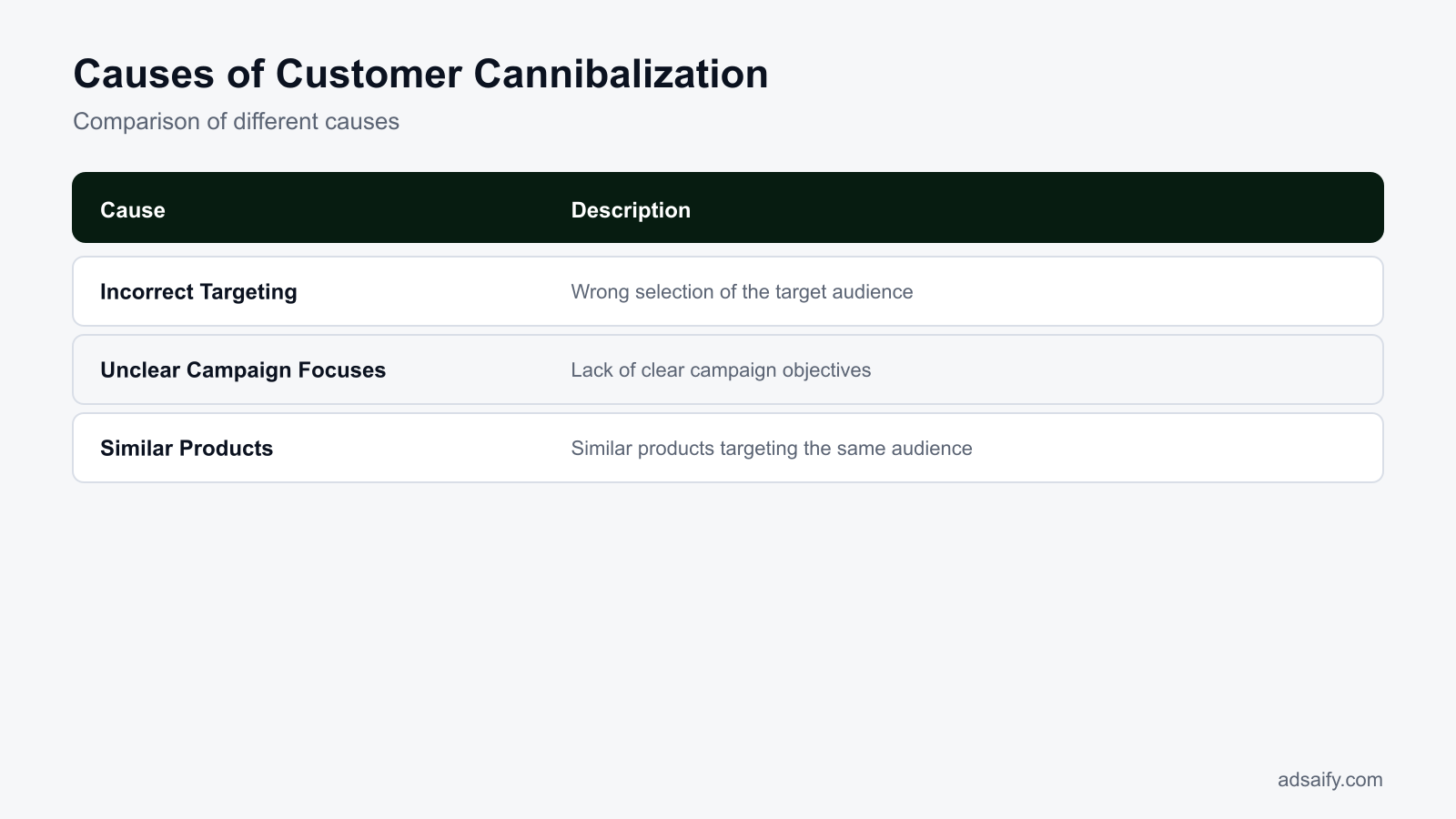
What is the cost of ignoring customer cannibalization?
Customer cannibalization in Meta Advantage+ shopping campaigns drains marketing budgets by paying advertising costs for existing customers who would purchase anyway. Ignoring customer cannibalization leads to wasted ad spend, artificially inflated reported performance, stagnant new customer acquisition, degraded brand perception from repetitive ads, and lost market share to competitors acquiring genuinely new buyers.
Lost sales from misallocated ad budget
Meta ASC (Advantage+ shopping campaigns) are automated campaign setups that use machine learning to optimize ad delivery across Meta properties. When Meta ASC allocates ad spend to current customers, it steals budget from top-of-funnel prospecting. True commercial expansion requires incremental sales, which are purchases that would not occur without an ad impression. Because Meta claims conversion credit for organic repeat buyers, reported ROAS (return on ad spend) is artificially high while business revenue remains flat.
Decreased customer loyalty and brand fatigue
Bombarding existing customers with acquisition advertisements causes customer dissatisfaction. Existing buyers who recently paid full retail price often see aggressive discount promotions intended for first-time shoppers, which erodes brand equity and damages customer lifetime value. Furthermore, excessive ad frequency causes ad fatigue, prompting past buyers to unfollow brand accounts or hide advertisements in their Instagram and Facebook feeds.
Loss of competitive advantage in customer acquisition
While an ad account exhausts capital chasing previous purchasers, competitors actively capture high-intent prospective buyers in the open market. Market share shifts toward brands that deliberately maintain dedicated cold prospecting pipelines. To maintain acquisition volume and halt inefficient spend, performance marketers use automation rules—such as performance triggers configured through Adsaify to pause inefficient ad variants—ensuring spend stays focused on productive delivery.
- Audit the Existing Customer Budget Cap inside Meta Ads Manager campaign settings.
- Compare platform-reported ROAS against blended marketing efficiency metrics.
- Verify exclusion lists containing past purchaser Custom Audiences.
- Inspect customer service tickets for complaints regarding repetitive ad offers.
- Review post-purchase discount code redemptions to identify margin erosion.
- Track first-time buyer acquisition rates weekly to identify growth stagnation.
What happens if we ignore this situation?
Ignoring customer cannibalization leads to an illusion of marketing profitability while the customer base steadily contracts. Meta algorithms continuously pursue the lowest-cost conversions, increasingly targeting past purchasers who convert readily without ad persuasion. Consequently, new customer acquisition volume collapses, customer acquisition cost for genuinely new prospects escalates unchecked, and brand profit margins erode from paying unnecessary ad fees and introductory discounts on baseline orders that organic loyalty would have generated naturally.
How to diagnose the cause of customer cannibalization?
Diagnosing customer cannibalization requires analyzing audience segment performance within Meta Ads Manager reporting breakdowns and customer relationship management data. Marketers diagnose customer cannibalization by evaluating existing versus new customer revenue shares, checking frequency spikes among recent buyers, comparing attribution windows, and monitoring post-purchase customer feedback regarding ad fatigue and repetitive promotional discounts.
Conduct audience analysis within Meta Ads Manager
Audience analysis begins by navigating to Meta Ads Manager, selecting the Meta ASC campaign, and clicking the Breakdown menu. Select Audience Type to split campaign reporting into New Customers, Existing Customers, and Engaged Audiences. If existing customers account for more than 15% of total spend in an acquisition-focused campaign, the algorithm is cannibalizing organic retargeting. Performance marketers must also inspect Custom Audience definitions in Meta Events Manager to ensure purchase pixel data reliably populates customer exclusion lists.
Review campaign performance reports and attribution windows
Discrepancies between platform metrics and business cash flow reveal cannibalization. Compare the default 7-day click and 1-day view attribution window against a strict 1-day click model within Meta Ads Manager reports. When 1-day view attribution accounts for a disproportionate share of reported conversions, Meta is claiming credit for existing customers who viewed an impression passively before completing their routine repeat purchase. Evaluating MER (marketing efficiency ratio), which is total business revenue divided by total ad spend, confirms whether overall revenue expands alongside Meta ASC spend.
Evaluate customer feedback and post-purchase surveys
Post-purchase surveys deployed on order confirmation pages provide qualitative proof of cannibalization. If returning customers report discovering repeat purchases through paid social ads offering first-time buyer codes, promotion structures are actively cannibalizing gross margins. Customer support logs also highlight whether recent purchasers express frustration at seeing promotions for products they purchased days prior.
| Diagnostic Indicator | Optimal Benchmark | Cannibalization Symptom | Root Operational Cause |
|---|---|---|---|
| Audience Type Breakdown | Under 10% spend on existing customers | Over 35% spend on existing customers | Uncapped or missing existing customer limits |
| 7-Day Frequency on Buyers | 1.0 to 1.5 impressions | 3.5 or more impressions | Absence of 30-day purchaser exclusion lists |
| Attribution Model Variance | 1-day click accounts for 80%+ of ROAS | 1-day view drives over 40% of ROAS | Meta claiming credit for habitual purchasers |
| MER vs. Platform ROAS | MER and ROAS trend upward together | ROAS climbs while total revenue stagnates | Ads replacing baseline organic transactions |
Which data should I analyze?
Marketers should analyze Meta Ads Manager Audience Type breakdowns, attribution window comparisons between 7-day click and 1-day click models, and customer purchase frequency from e-commerce store databases. Additionally, marketers must analyze first-time customer acquisition counts in store analytics alongside post-purchase attribution survey responses. Comparing these platform metrics against blended marketing efficiency ratios reveals whether Meta ASC generates incremental revenue or merely intercepts recurring transactions from existing brand buyers.
If you would rather not set up each of these steps by hand, try it in Adsaify: your first ad is free, so there is nothing to lose. Create a free account.
What should I prepare and check before applying the fix?
Before applying fixes to customer cannibalization issues in Meta Advertising, it is essential to prepare by defining audience profiles, clarifying campaign objectives, and conducting a competitor analysis. This groundwork helps to ensure that the solutions you implement are tailored to your specific situation and will effectively address the problem.Define audience profiles
Identifying your audience profiles is crucial in preventing customer cannibalization. Use the Audience Insights tool in Meta Ads Manager to segment your audience by demographics, interests, and behaviors. Create distinct audience personas for your products or services, ensuring that each profile reflects the unique characteristics of your target customers. For instance, if you have multiple products appealing to different age groups, define profiles such as "Young Professionals" or "Families with Children." This segmentation will help you avoid overlapping audiences that can lead to cannibalization.Clarify campaign objectives
Clearly defined campaign objectives guide your advertising strategy and help prevent customer overlap. In the Campaign Settings of Meta Ads Manager, select specific objectives such as "Brand Awareness," "Traffic," or "Conversions." Be precise about what you want to achieve with each campaign. For example, if you aim to drive traffic to a new product page, ensure your objective aligns with that goal. This clarity will prevent confusion in your messaging and ensure that your audience receives relevant ads tailored to their needs.Conduct competitor analysis
Understanding your competitors can reveal insights into potential customer cannibalization. Use tools like Facebook Ad Library to examine the ads run by your competitors. Identify their targeting strategies, ad formats, and messaging. Pay attention to the types of offers they promote and how they position their products. This analysis can help you differentiate your offerings and refine your advertising strategy to avoid competing with your own campaigns. By recognizing what works for your competitors, you can adjust your approach to effectively capture your audience's attention.- Define clear audience segments based on demographics and interests.
- Set specific campaign objectives in Meta Ads Manager.
- Analyze competitors’ ad strategies for insights.
- Review historical performance metrics for previous campaigns.
- Identify overlapping products or services that may compete.
- Gather customer feedback to understand preferences.
- Ensure your budget allocation aligns with campaign goals.
What resources do I need?
To prepare effectively, you will need access to Meta Ads Manager for audience insights and campaign settings, analytical tools for competitor analysis, and any previous campaign data for performance review. Additionally, gather customer feedback and insights from your sales team to inform your audience profiles and objectives.What are the solution steps to prevent customer cannibalization?
To prevent customer cannibalization effectively, you must update audience settings, reassess campaign strategies, and develop innovative offers. These steps will help create a clearer distinction between your products and target the right customers without overlapping efforts.Update audience settings
Start by updating your audience settings in Meta Ads Manager. Refine your targeting options to ensure that each product or service targets a specific audience segment. Use Custom Audiences to create lists based on past interactions or purchases. For example, if you have a new product, target a Custom Audience of users who engaged with your previous product but exclude those who have recently purchased it. This ensures that your ads reach potential customers who haven't yet converted, minimizing the risk of cannibalization.Reassess campaign strategies
Reassessing your campaign strategies involves evaluating your existing campaigns and their performance metrics. Use A/B testing to compare different ad creatives and messages to see which resonate better with your defined audience profiles. In Meta Ads Manager, analyze metrics such as CTR (click-through rate) and ROAS (return on ad spend) to identify underperforming ads. Adjust your strategies based on these insights to optimize campaigns and reduce overlap in messaging.Develop innovative offers
Creating innovative offers is essential for attracting distinct customer segments. Consider bundling products or introducing limited-time discounts that appeal to specific audience profiles. For instance, if you have two similar products, create a package deal that incentivizes customers to choose one over the other. This not only prevents cannibalization but also enhances customer value perception. Use the Promotions tool in Meta Ads Manager to track the performance of these offers.- Update Audience Settings — Refine targeting options to avoid overlapping audiences.
- Analyze Campaign Performance — Review metrics to identify underperforming ads.
- Conduct A/B Testing — Compare different creatives and messages for effectiveness.
- Develop Innovative Offers — Create unique promotions to attract distinct customer segments.
- Implement Changes — Apply insights gained from analysis and testing to optimize campaigns.
- Monitor Results — Continuously track performance metrics post-implementation.
What steps should I follow?
To prevent customer cannibalization, follow these steps: first, update your audience settings to ensure distinct targeting; next, reassess your campaign strategies based on performance data; and finally, develop innovative offers that clearly differentiate your products. Regularly monitor the results to adjust your approach as needed.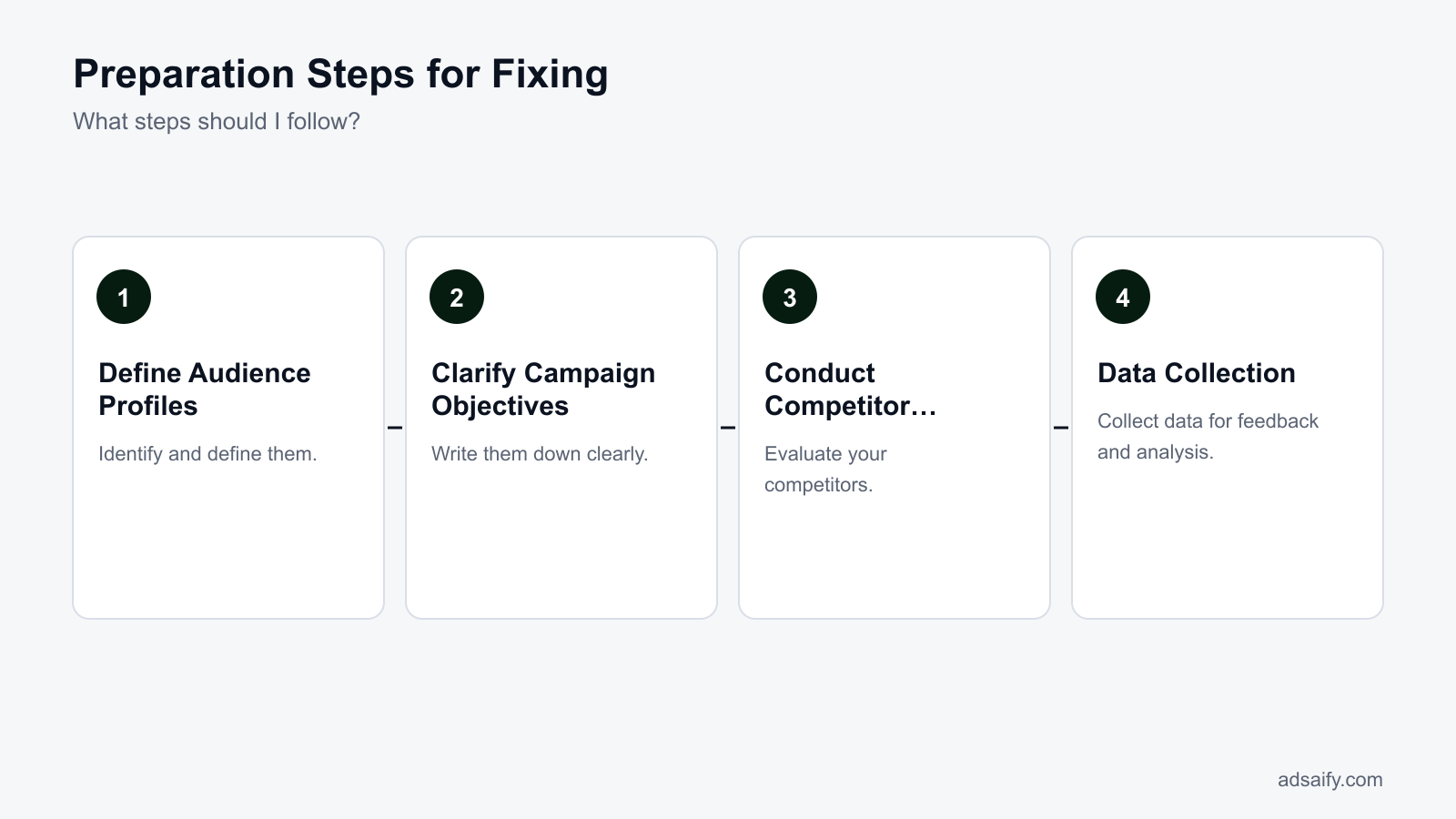
How can I solve the situation with a detailed example?
To address customer cannibalization effectively, consider a practical example involving a fictional online apparel retailer named "Fashion Hub." The retailer spent 1,000 TL daily on Facebook and Instagram ads promoting two similar product lines: casual wear and sportswear. The objective is to determine how to optimize the campaign to prevent cannibalization between these two lines.
An example campaign scenario
Fashion Hub has been running ads for both product lines targeting the same audience segment, leading to overlapping impressions and sales. The retailer notices that the sales of casual wear have significantly dipped since launching the sportswear campaign. To remedy this, Fashion Hub will implement a strategy focusing on audience segmentation and tailored messaging.
Success criteria
The success of this campaign adjustment will be measured by several key performance indicators (KPIs). These include:
- Increase in the sales of casual wear by at least 20% over the next month.
- Reduction in overlap of audience targeting between the two product lines by at least 50%.
- Improvement in the return on ad spend (ROAS) for both campaigns, aiming for a minimum of 3.0.
Implementation process
To implement this fix, Fashion Hub will follow these steps:
- Access the Meta Ads Manager and navigate to the Ad Sets for both casual and sportswear campaigns.
- Adjust the targeting settings to create distinct audience segments. For example, target the casual wear ads to users aged 18-30 interested in lifestyle and fashion, while targeting the sportswear ads to users aged 25-40 interested in fitness and sports activities.
- Revise the ad creatives and copy to reflect the specific benefits and styles of each product line. For example, the casual wear ads could focus on comfort and everyday wear, while the sportswear ads can emphasize performance and athleticism.
- Allocate a budget of 700 TL daily for casual wear and 300 TL for sportswear, observing how each performs. Monitor the campaigns over a two-week period.
- Use the Meta Ads Manager’s reporting features to analyze the performance data, focusing on sales, engagement rates, and audience overlap.
What can I learn from this example?
This example illustrates the importance of audience segmentation and tailored messaging in preventing customer cannibalization. By clearly defining target audiences and adjusting budgets, businesses can optimize their ad campaigns, ensuring that each product line thrives without negatively impacting the other.
How to measure whether the fix worked?
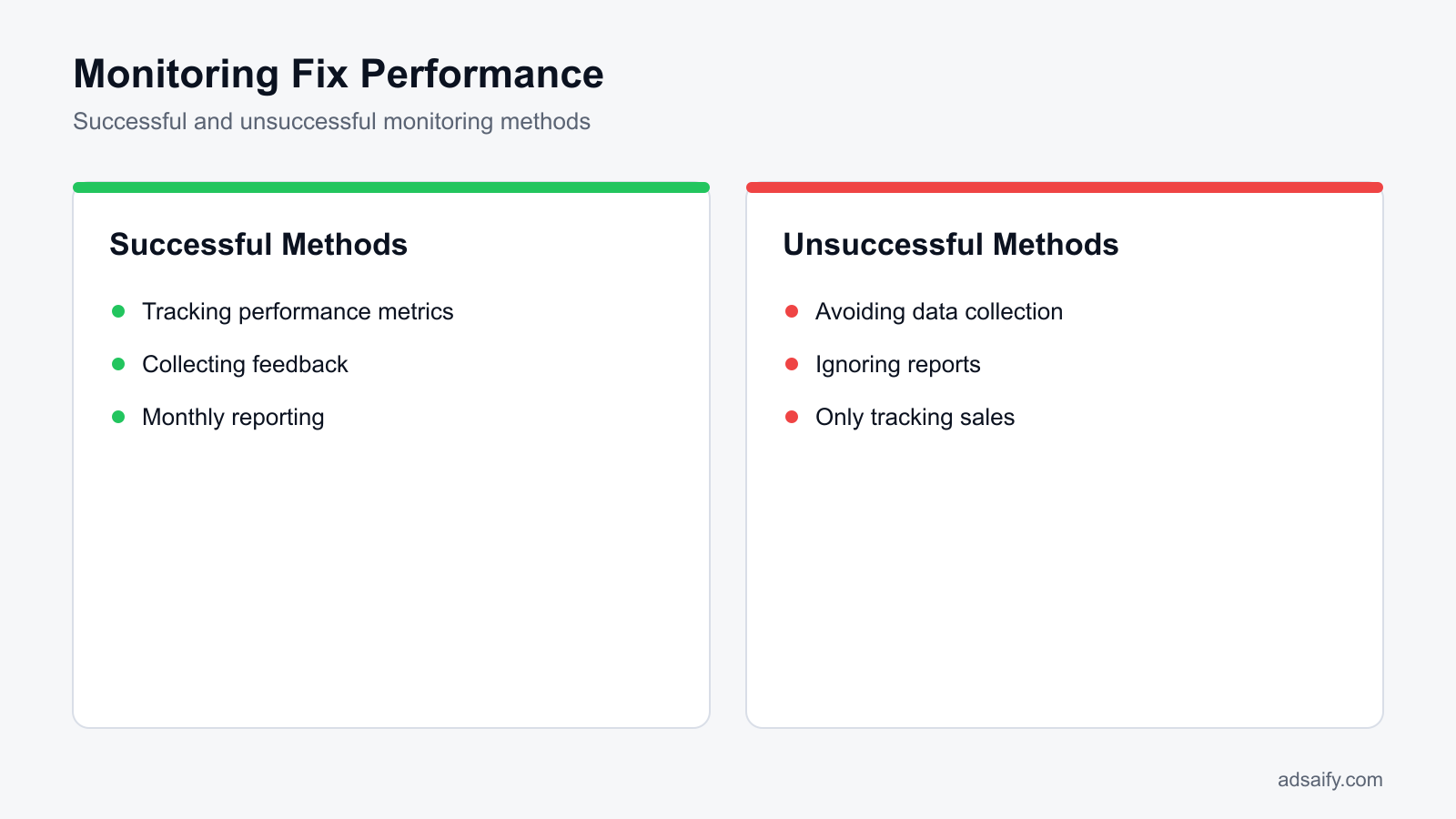
To measure the effectiveness of the adjustments made to prevent customer cannibalization, it is essential to track performance metrics, set clear KPIs, and collect feedback from both sales data and customer responses. This structured approach allows for a comprehensive analysis of the campaign's impact.
Track performance metrics
Begin by tracking key performance metrics that indicate the success of the campaigns. These metrics should include:
- Sales volume for each product line.
- Cost per acquisition (CPA).
- Return on ad spend (ROAS).
- Click-through rate (CTR) for each ad.
Set KPIs
Establish specific KPIs to evaluate the success of the campaign adjustments. For example:
| Metric | Before Fix | After Fix |
|---|---|---|
| Sales of Casual Wear | 5,000 TL | 6,000 TL |
| Sales of Sportswear | 4,000 TL | 4,500 TL |
| ROAS | 2.5 | 3.2 |
| CPA | 200 TL | 150 TL |
Collect feedback
Gather qualitative feedback from customers to understand their perceptions of the campaigns. This can be achieved through surveys or direct engagement on social media platforms. Analyze this feedback alongside quantitative data to gain comprehensive insights into the effectiveness of the adjustments.
What other metrics should I consider?
In addition to sales and CPA, consider metrics such as customer lifetime value (CLV) and customer retention rates. These metrics provide deeper insights into the long-term impact of your campaigns and help identify trends that may indicate further adjustments are necessary.
Want to see this in your own account? Enter your website address and Adsaify drafts the campaign for you. The first ad is free. Try it now or log in.
What routines should I implement to prevent the problem from returning?
Regular routines are crucial for preventing customer cannibalization in Meta ads. Establishing a systematic approach to evaluate performance, update audiences, and review campaign strategies helps maintain the effectiveness of advertising efforts and ensures that similar issues do not arise again.- Daily: Review ad performance metrics such as CTR (Click-Through Rate) and CPC (Cost Per Click) to identify underperforming ads quickly. This allows for immediate adjustments to avoid wasting budget on ineffective campaigns.
- Daily: Monitor audience engagement metrics to detect shifts in customer behavior or preferences. Recognizing these changes early can help in refining targeting strategies.
- Weekly: Conduct a detailed analysis of audience overlap between campaigns using the Audience Insights tool in Meta Ads Manager. This helps identify potential cannibalization and allows for adjustments in targeting.
- Weekly: Evaluate the performance of different ad creatives to determine which resonate best with your audience. This informs future creative development and allocation of resources.
- Monthly: Review overall campaign objectives and key performance indicators (KPIs) to ensure alignment with business goals. This helps in recalibrating strategies if objectives are not being met.
- Monthly: Update audience segments based on recent purchase behaviors and interactions. This keeps your targeting relevant and reduces the chances of competing ads targeting the same customers.
- Quarterly: Conduct a full audit of your ad spend and ROAS (return on ad spend) to evaluate the effectiveness of your overall strategy. This allows for reallocation of budgets towards higher-performing campaigns.
- Quarterly: Gather feedback from the marketing team and stakeholders on campaign performance to identify areas for improvement and innovation.
How can I establish these routines?
To establish these routines, set specific times in your calendar for each evaluation and review task. Use tools like project management software to assign responsibilities within your team and track progress. Regularly communicate findings and adjustments in team meetings to ensure everyone is aligned and informed.What are the most common mistakes and how to fix them?
Common mistakes in Meta advertising can lead to customer cannibalization and ineffective ad spend. Identifying and correcting these mistakes is essential for optimizing performance and achieving business goals.Incorrect targeting
Incorrect targeting can result in ads reaching the wrong audience, leading to wasted ad spend and missed opportunities. To fix this, utilize Meta's Audience Insights to analyze demographic data and refine your audience segments based on actual customer characteristics and behaviors.Unclear campaign focuses
Having unclear campaign focuses can confuse customers and dilute the effectiveness of your messaging. To resolve this, clearly define the objective of each campaign (e.g., brand awareness, lead generation) within Meta Ads Manager and ensure that all creatives and copy align with this focus.Data analysis deficiencies
Failing to analyze performance data accurately can prevent marketers from making informed decisions. Regularly review metrics such as ROAS and conversion rates in Meta Ads Manager to identify trends. Use these insights to adjust targeting, budgets, and creative strategies accordingly.Overlapping audiences
Overlapping audiences in multiple campaigns can lead to customer cannibalization. Use the Audience Overlap tool in Meta Ads Manager to assess how much your audiences are intersecting and adjust targeting to minimize overlap.Neglecting A/B testing
Not conducting A/B tests can hinder your ability to determine what works best. Implement A/B testing for different ad creatives and targeting strategies to identify which combinations yield better performance and optimize accordingly.Ignoring performance thresholds
Ignoring established performance thresholds can lead to prolonged underperformance. Set clear benchmarks for each campaign and regularly review performance against these thresholds, pausing or adjusting campaigns that do not meet expectations.Insufficient budget allocation
Insufficient budget allocation to high-performing campaigns can limit growth. Regularly analyze your campaigns’ performance, and reallocate budgets towards those that deliver the best results to maximize overall effectiveness.Not updating customer insights
Failing to update customer insights can result in outdated targeting. Regularly refresh customer personas and insights based on recent data to ensure your ads remain relevant and effective.What resources are needed to fix mistakes?
To fix mistakes, you need access to Meta Ads Manager for performance data analysis, tools like Audience Insights for audience analysis, and a project management system for tracking changes and responsibilities. Additionally, collaboration with team members for brainstorming solutions and implementing fixes is essential.What should I do if the fix doesn't help?
If the initial solutions to address customer cannibalization in Meta Advertising Solutions Center (ASC) do not yield the desired results, marketers must explore alternative strategies. This involves diversifying ad campaigns, adjusting targeting parameters, and possibly revisiting the overall marketing approach. Additionally, seeking expert advice can provide new insights or solutions. Reassessing campaign performance is crucial to understand what is working and what isn't.Develop alternative strategies
When the initial fix does not resolve customer cannibalization issues, consider developing alternative strategies. This might involve: - **Revising your audience segmentation**: Use Meta Ads Manager to create distinct audience segments based on demographics, interests, and behaviors. For example, if you have a campaign targeting young adults, consider creating a separate campaign for a different age group. - **Adjusting your ad creatives**: Experiment with new ad formats or creative styles. Use engaging visuals or videos that resonate more with specific segments. Utilize the A/B testing feature in Ads Manager to compare different creatives. - **Exploring new platforms**: If Meta is oversaturating your audience, consider promoting your product on other platforms, such as Google Ads or TikTok, to reach a broader audience.Seek expert advice
Sometimes, internal strategies may not be enough. Seeking expert advice can provide fresh perspectives. Consider the following actions: - **Consulting with a performance marketing agency**: Agencies often have experience with various markets and can identify strategies that you may not have considered. - **Engaging with Meta's support**: Utilize the support provided by Meta for advertisers. They can offer insights specific to your account and campaigns. - **Joining marketing forums and communities**: Online communities can provide valuable feedback and suggestions based on real-world experiences.Reassess campaign performance
Regularly reassessing campaign performance is essential for understanding the effectiveness of your strategies. Use the following checklist to ensure you cover all bases:- Review audience insights in Ads Manager.
- Analyze campaign metrics such as CTR (click-through rate) and ROAS (return on ad spend).
- Check the frequency of your ads to ensure they are not overexposed.
- Evaluate the performance of different ad placements.
- Identify any significant changes in customer behavior or preferences.
- Look for overlap in audience targeting across different campaigns.
- Assess the competition and market trends.
- Consider seasonal impacts on customer behavior.
What other resources can I seek help from?
To further enhance your understanding and strategies, consider utilizing resources such as webinars, online courses, and industry reports. Websites like HubSpot and Neil Patel offer valuable insights into performance marketing. Additionally, platforms like LinkedIn have numerous groups focused on advertising strategies where professionals share their experiences and solutions.What are the key terms?
Understanding key terms is essential in navigating customer cannibalization and Meta advertising. Here’s a glossary of important terms:- Customer cannibalization: The phenomenon where a new product or campaign reduces the sales of an existing product or campaign within the same brand.
- Audience: A specific group of consumers targeted by an advertising campaign based on demographics, interests, and behaviors.
- Campaign strategy: The plan and approach taken to achieve specific marketing objectives through advertising efforts.
- Performance metrics: Quantifiable measures used to evaluate the success of advertising campaigns, such as CTR and ROAS.
- CTR (click-through rate): A performance metric that measures the ratio of users who click on an ad to the number of total users who view the ad.
- ROAS (return on ad spend): A metric that calculates the revenue generated for every dollar spent on advertising.
- A/B testing: A method of comparing two versions of an ad to determine which one performs better.
- Ad creatives: The visual and textual components of an advertisement.
- Ad placements: The locations where ads are displayed, including news feeds, stories, and in-stream videos.
- Frequency: The average number of times an individual sees a specific ad over a defined period.
- Segmentation: The process of dividing a target audience into distinct groups based on shared characteristics.
- Meta Ads Manager: The platform used to create, manage, and analyze advertising campaigns on Facebook and Instagram.
Where should I use these terms?
These terms are essential when discussing advertising strategies, analyzing campaign performance, and navigating marketing discussions. Incorporating them into reports, strategy documents, and presentations will enhance clarity and professionalism in communication with stakeholders and team members.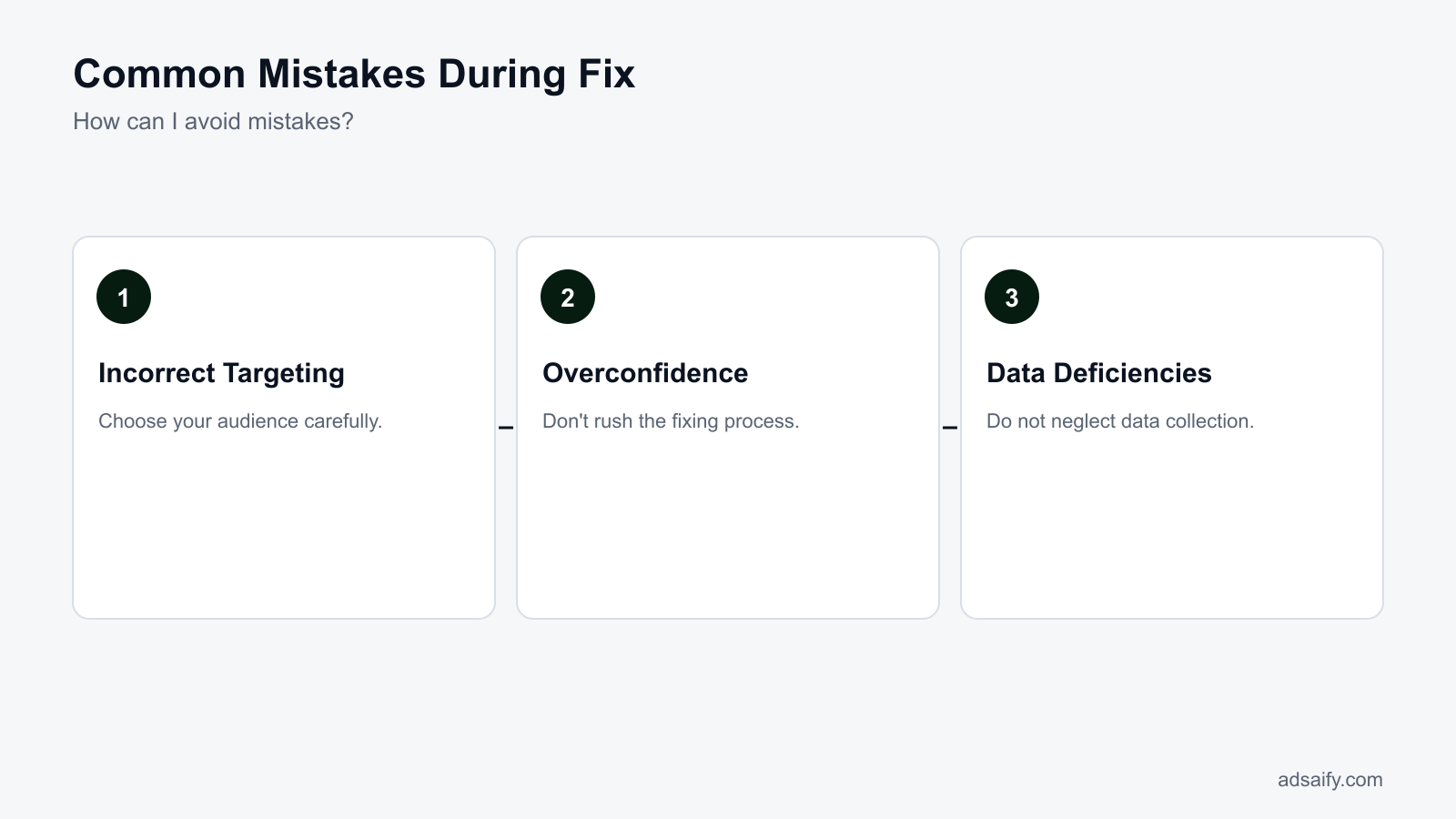
Conclusion
To stop customer cannibalization in Meta ASC, first, identify its manifestations in your campaigns, then implement mitigation strategies such as audience segmentation and creative differentiation. Review your campaign strategies regularly, analyze audience data, and gather customer feedback to refine your approach. Start today by logging into your Meta ad account and reviewing your current audience settings.
Want to see this in your own account? Enter your website address and Adsaify drafts the campaign for you. The first ad is free. Try it now or log in.
Frequently Asked Questions (FAQ)
1. How can customer cannibalization manifest in different ways?
Customer cannibalization can manifest in various ways, including overlapping audiences across multiple campaigns, decreased overall sales due to internal competition, and lower ROAS (return on ad spend) as one product negatively impacts another. Identifying these signs is crucial to address the issue effectively.
2. How can I mitigate the effects of customer cannibalization?
To mitigate customer cannibalization, utilize audience segmentation to target distinct customer groups with tailored ads. Additionally, differentiate your product offerings through unique ad creatives, ensuring that each campaign appeals to a specific audience and reduces internal competition.
3. What tools can be used to prevent customer cannibalization?
Tools such as Adsaify can help prevent customer cannibalization by analyzing your business and drafting targeted ad campaigns. Additionally, using Meta's audience insights and performance tracking tools can help identify overlaps and optimize your advertising strategy effectively.
4. How can audience settings be optimized?
To optimize audience settings in Meta ads, define specific demographics, interests, and behaviors that align with your target market. Use audience exclusions to prevent overlap between campaigns and consider creating lookalike audiences to reach potential customers without competing against existing ones.
5. How can I review my campaign strategies?
Reviewing campaign strategies involves analyzing performance metrics such as CTR (click-through rate) and conversion rates. Use Meta's Ads Manager to evaluate which campaigns are underperforming and adjust your audience targeting, ad creatives, or budget allocation accordingly.
6. What data is important for audience analysis?
Important data for audience analysis includes demographics (age, gender), interests, behaviors, and past purchase history. Additionally, analyzing engagement metrics such as likes, shares, and comments can provide insights into audience preferences and help refine targeting strategies.
7. How can I evaluate customer feedback?
Evaluating customer feedback can be done through surveys, social media comments, and reviews. Analyze both qualitative and quantitative data to identify common themes and sentiments. This feedback can guide adjustments in advertising strategies and product offerings to reduce cannibalization.
8. How much time should I spend to prevent this situation?
Preventing customer cannibalization requires ongoing attention. Allocate time weekly to review campaign performance, audience settings, and customer feedback. Regular adjustments based on data analysis will help maintain effective advertising strategies and minimize internal competition.
How can you try this with Adsaify?
The quickest way to apply the steps in this article to your own account is to try them. Adsaify analyses your business from your website address, drafts the campaign with an audience, ad copy, creative and a budget suggestion, and publishes it to your own Meta ad account once you approve.
- Your first ad is free: there is nothing to lose by trying.
- Your own ad account: the campaign runs in your Meta account and you stay in control.
- Images and video: generate ad creatives with AI or promote an existing Instagram post.
Create a free account and try your first ad · Already have an account? Log in.